Switzerland vs France cost of living 2026
"You earn in CHF but spend in euros" — the Geneva frontalier promise fits in one sentence. But how true is it in 2026, item by item? Here's the honest balance: where the Switzerland/France gap is huge, where it's thinner than people say, and how much actually stays in your pocket.
The frontalier arbitrage promise
The idea is simple: capture a Swiss salary (among Europe's highest) while paying a French cost of living on the big items — rent first. On average, living in Geneva costs around 70-80 % more than in France; but that average hides huge differences by category.
The cross-border worker doesn't take this premium head-on: they sleep, live and do most of their shopping on the French side while earning in francs. That mismatch is exactly what creates the edge — provided you know where it really plays out. First frame your net salary with our Swiss net salary 2026 guide.
Rent — the decisive gap (×2 to ×3)
This is THE item that justifies the frontalier status on its own. At equivalent size, housing in Geneva costs two to three times more than in Annemasse, 20 minutes away.
| Property type | Geneva (CHF/mo) | Annemasse (French side) | Gap |
|---|---|---|---|
| Studio | 1,600–2,400 | 510–760 CHF (€550–820) | ~×3 |
| 2-room (~45 m²) | 1,800–2,500 | 700–1,070 CHF (€750–1,150) | ~×2.3 |
| 3-room (~65 m²) | 2,500–4,000 | 880–1,350 CHF (€950–1,450) | ~×2.8 |
2026 ballpark, utilities extra. In Geneva, the median 2-room rent is around CHF 1,850, but chronic shortage and central location push prices up. On the French side, the same budget buys more space — or lets you save the difference. That delta, CHF 10,000 to 25,000 a year, funds the rest of the arbitrage.
To pick your area on the French side, see our Annemasse neighbourhoods by profile guide.
Groceries: less simple than it sounds
The cliché says "everything is half price in France." The 2026 reality is more nuanced — and worth stating honestly.
Clearly cheaper in France: staples (pasta, rice, oil, coffee, UHT milk, butter, eggs, tinned goods), often 30 to 40 % cheaper, sometimes more. That's where most of the saving happens.
What has narrowed: on a full optimised basket, the gap has shrunk in recent years. With the franc near parity with the euro and weekly Migros/Coop promotions, comparisons (Fédération romande des consommateurs, Tribune de Genève) show sometimes modest differences — a few francs on a whole basket between Switzerland and neighbouring France.
The 50/50 strategy that works — the one we see our residents settle into naturally: bulk non-perishables on the French side (Carrefour, Intermarché in Annemasse), top-ups and fresh items on the Swiss side when handier. An optimising frontalier couple typically spends €500 to 700 of groceries/month in France, versus CHF 1,000+ for a household buying everything in Switzerland.
Restaurants, bars, nights out
This is where Switzerland stings most — about +70 % vs France on dining.
| Outing | Geneva | Neighbouring France |
|---|---|---|
| Coffee | 4–5 CHF | €2–2.50 |
| Lunch menu | 25–30 CHF | €15–18 |
| Dinner (per person) | 60–80 CHF | €35–45 |
| Pint of beer | 7–9 CHF | €5–6 |
Over a year, a couple going out once a week can save CHF 2,000 to 3,500 simply by favouring the French side. Hence the appeal of living in a lively town like central Annemasse, where bars and restaurants are within walking distance.
Healthcare: LAMal vs CMU
The frontalier has a choice at hiring (right of option), and it weighs heavily on the budget:
- LAMal (Swiss insurance): monthly premium of CHF 250 to 450 per adult, income-independent, with a chosen deductible.
- French CMU: a contribution of about 8 % of taxable income (after allowance), covering the whole household in one go.
In short: LAMal is often better for a young, healthy single person; CMU becomes attractive for a family (one contribution covers spouse and children). The choice is structural and hard to reverse — it's one of the topics we help our residents with most on arrival, detailed in our LAMal vs CMU comparison.
Car, fuel, transport
Here the arbitrage is subtler. Fuel is broadly comparable on both sides (sometimes slightly cheaper in France) — that's not where the gap is.
The real hidden cost is the commute mode:
- By car: border jams at peak times, and above all eye-watering Geneva parking (often CHF 40–50/day centrally).
- By transit: the Léman Express and Tram 17 make the car optional from Annemasse, with a season ticket far cheaper than parking + fuel + wear.
Practical takeaway: living near a station or tram stop (and leaving the car home on weekdays) is often the biggest saving lever after rent. We cost the options in our frontalier transport guide 2026.
The real score: what does your life cost?
Putting it all together for a single frontalier at CHF 100,000 gross/year, living on the Annemasse side:
| Item | Monthly amount |
|---|---|
| Net salary (after contributions + source tax) | ~CHF 5,985 |
| − Housing (2-room or all-inclusive coliving) | −1,100 to −1,400 CHF |
| − Groceries (optimised French side) | −350 to −450 CHF |
| − Healthcare (LAMal or CMU) | −300 to −450 CHF |
| − Transport (Léman Express pass) | −90 to −150 CHF |
| − Dining / daily life | −400 to −700 CHF |
| Left to save / spend | ~CHF 2,700 to 3,500 |
The same profile living in Geneva would see rent double (−CHF 2,000+), sharply cutting that saving capacity. That's the whole frontalier advantage in one table: it's not the salary alone, it's the Swiss salary minus French costs.
This varies hugely with your situation (family, real rent, healthcare option). A dual-frontalier couple multiplies the effect; a family with kids in private school reduces it. See our Geneva coliving budget guide.
FAQ
How many times more expensive is Switzerland than France in 2026? On average ~1.8 times across all spending, but up to 2-3 times on housing and about 1.7 times on dining. Basic groceries, however, are much cheaper in France. The frontalier neutralises most of the gap by living on the French side.
Should you buy groceries in France when working in Geneva? For staples, yes: the saving is real (30-40 %). For a full optimised basket with Swiss promotions, the gap narrows. The winning strategy is 50/50: non-perishables in France, fresh and top-ups in Switzerland.
How much does a flat cost in Geneva vs Annemasse? Expect a factor of ×2 to ×3. A CHF 1,600–2,400 Geneva studio rents for €550–820 on the Annemasse side; a ~CHF 1,850 2-room drops to around €750–1,150. It's the heart of the frontalier arbitrage.
Is healthcare really more expensive in Switzerland? The LAMal premium (CHF 250–450/month/adult) can seem high, but it's often competitive for a single person versus CMU (~8 % of taxable income). For a family, CMU (single contribution) regains the edge. It depends on your profile.
Total annual cost for a frontalier family? Highly variable, but a family of 4 living in France (house rent ~CHF 2,400–2,800, groceries, CMU healthcare, 2 cars) spends roughly CHF 6,000 to 8,000/month depending on childcare/schooling — against two Swiss salaries. The arbitrage stays largely favourable as long as you live in France. And count frontalier family allowances: CHF 311/child from the first in Geneva.
Further reading
- Swiss net salary for frontaliers 2026
- LAMal vs CMU: which insurance to choose
- Geneva coliving budget — full guide
- Geneva frontalier taxation 2026
- Annemasse neighbourhoods by profile
In short
The Swiss cost of living looks scary on paper (+70 to 80 % on average, ×2-3 on housing), but the frontalier turns it into an asset: earning in francs, spending in euros on the items that matter. Rent in France, staples in France, salary in Switzerland — that's the winning equation, and it stays very favourable in 2026.
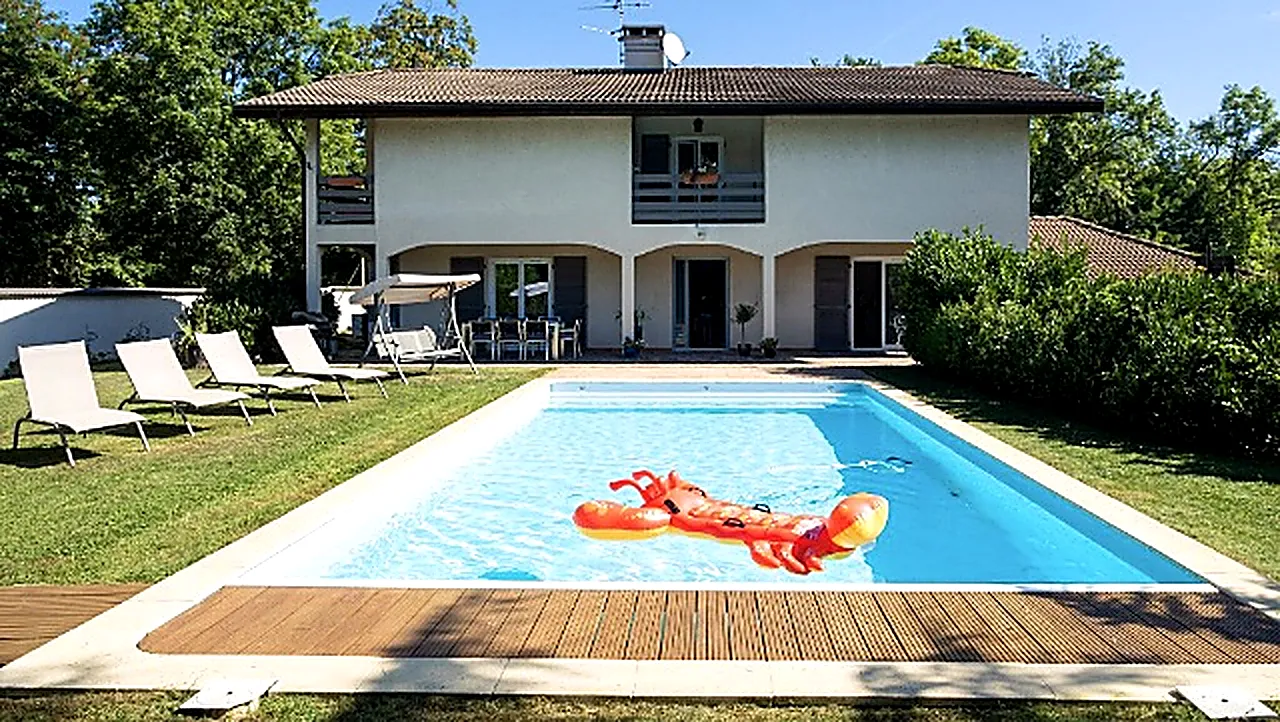
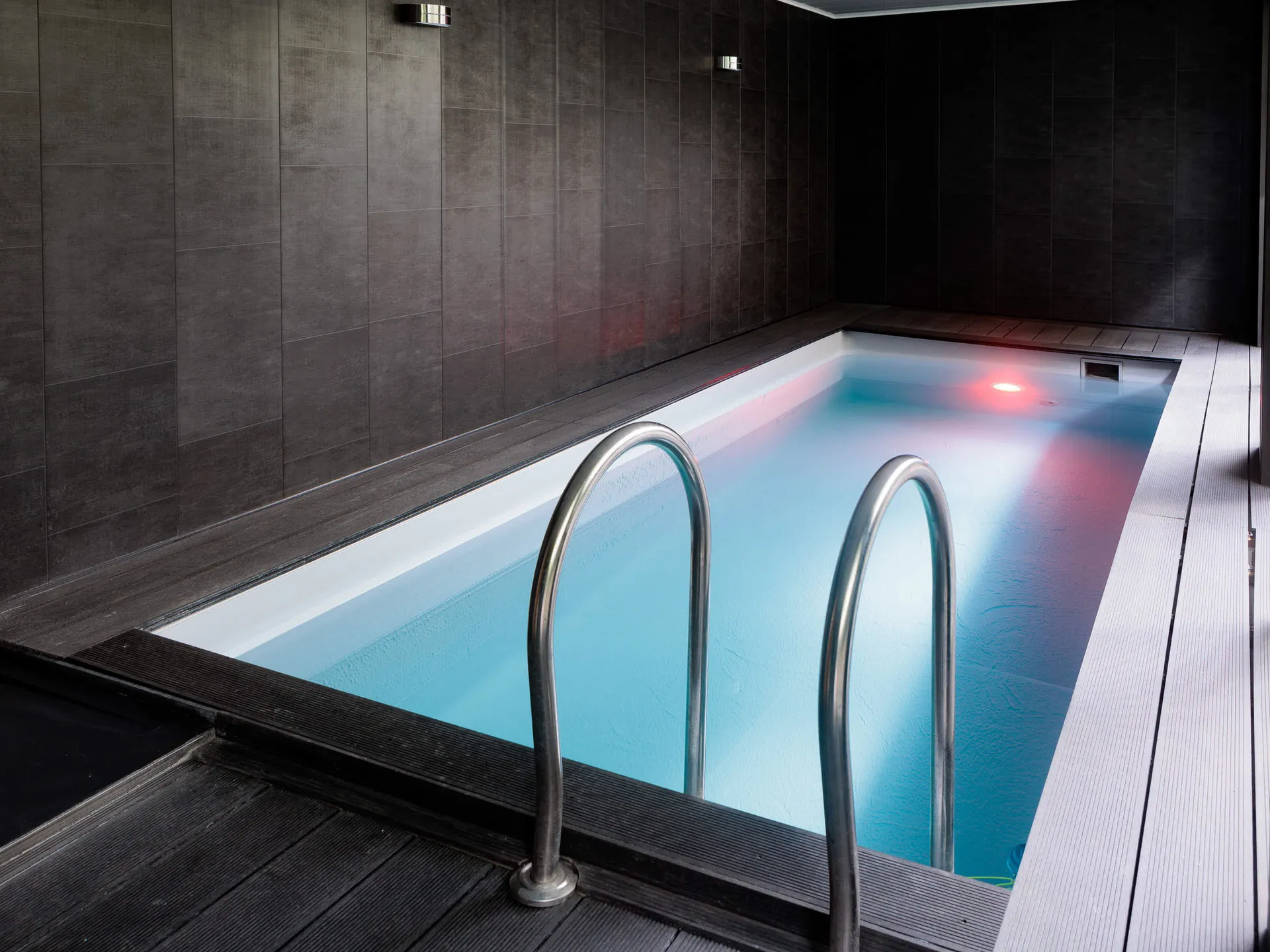
The easiest way to maximise this arbitrage without managing utilities, furniture and subscriptions? All-inclusive coliving. Our all-inclusive coliving 20 min from Geneva bundles rent, utilities, fiber, cleaning, pool, gym and more into a single fee — you know exactly what your life costs each month. See available rooms.
Article updated 2026-06. Figures are 2026 ballpark (sources: combien-coute.net, Fédération romande des consommateurs, property portals) and vary by consumption habits, neighbourhood and CHF/EUR exchange rate. Adapt to your real situation.
👉 Looking for see our rooms on the French side? At La Villa Coliving (Ville-la-Grand, Ambilly and Annemasse), a fully furnished all-inclusive room costs from CHF 1,370/month — utilities, fiber and cleaning included, no application fee — 15-20 minutes from Geneva by Léman Express or tram.