Building a Network in Geneva When You Arrive Alone
Building a Network in Geneva When You Arrive Alone: A Practical Guide
You've been here two weeks. Your flat is sorted, your company badge works, you're getting to know the Léman Express route. But in the evening, you come home to a silent apartment, and on weekends, your phone doesn't ring. The isolation of the new cross-border worker is a topic nobody talks about — yet it's the primary reason people leave within the first 6 months.
This guide was born from hundreds of conversations with La Villa Coliving residents who went through this exact phase. Their feedback is unanimous: networks don't build themselves, but with the right approach, it happens fast.
Why It's Difficult (And That's Normal)
Three factors make network-building particularly challenging for cross-border workers.
First, the dual geographic life. You work in Switzerland, sleep in France. Your Genevan colleagues go home in the evening to neighbourhoods you don't frequent. Your French neighbours may work locally and already have their social circle. You're between two worlds without truly belonging to either.
Second, Swiss culture. Genevans are cordial at the office but friendship takes time. It's not coldness — it's a different approach to social relationships. In France, you can become friends with a colleague in two weeks. In Switzerland, count on six months. And Swiss friendships often begin through structured activities (associations, sports clubs) rather than spontaneous after-work drinks.
Third, energy. After a workday and a cross-border commute, the temptation to stay home with Netflix is strong. Networking requires active investment, especially at the start.
The 5 Channels That Actually Work
1. Sports: The Most Effective Channel
This is the #1 lever among our residents. Sport creates rituals (same time, same place, same people), physical proximity that breaks barriers, and a natural conversation topic.
Options in the Annemasse-Geneva area are plentiful. Gyms (Basic Fit Annemasse, Fitness Park) work if you engage in conversation — group classes are better than solo machines for creating connections. Running clubs (Courir à Annemasse, local Strava groups) organise regular outings. Trail running is very popular in the region — the Salève and Jura offer beautiful routes and trail communities are particularly welcoming.
On the Swiss side, Geneva's sports clubs are often international by nature. Geneva Volleyball, lake rowing clubs, tennis clubs — many have a majority of expat or cross-border members. Registration is often more expensive than in France, but social integration is faster.
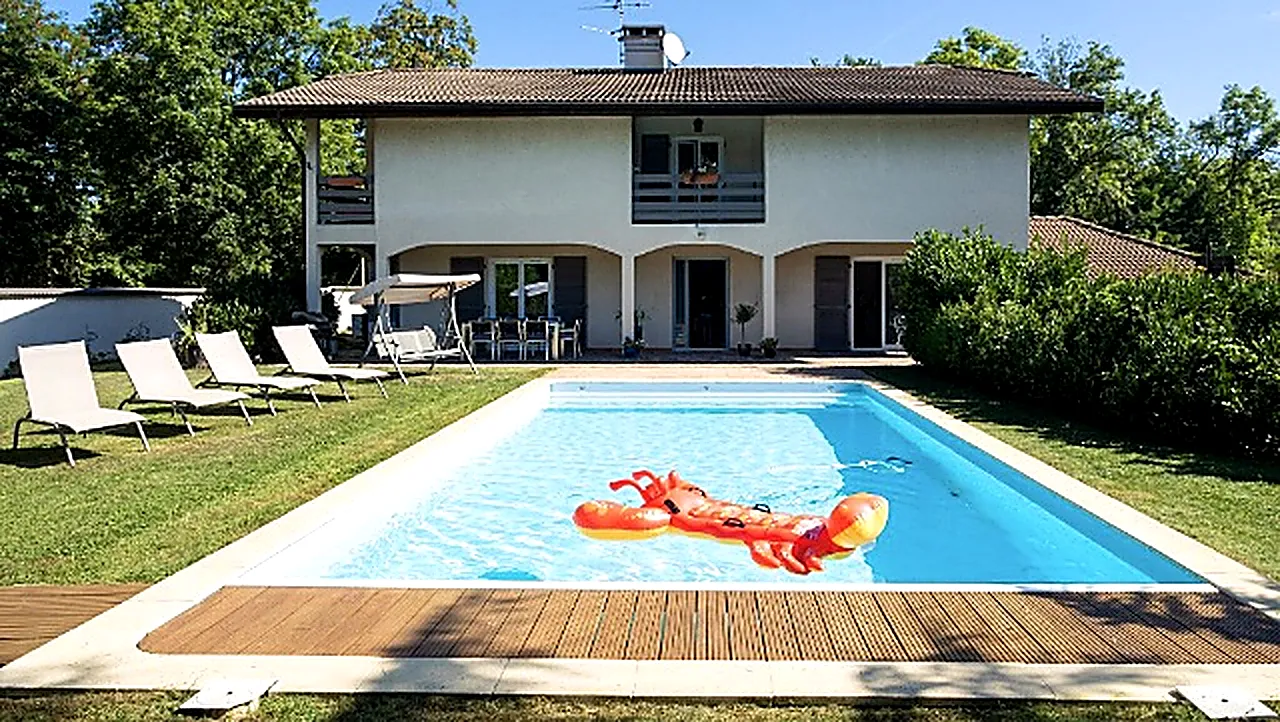
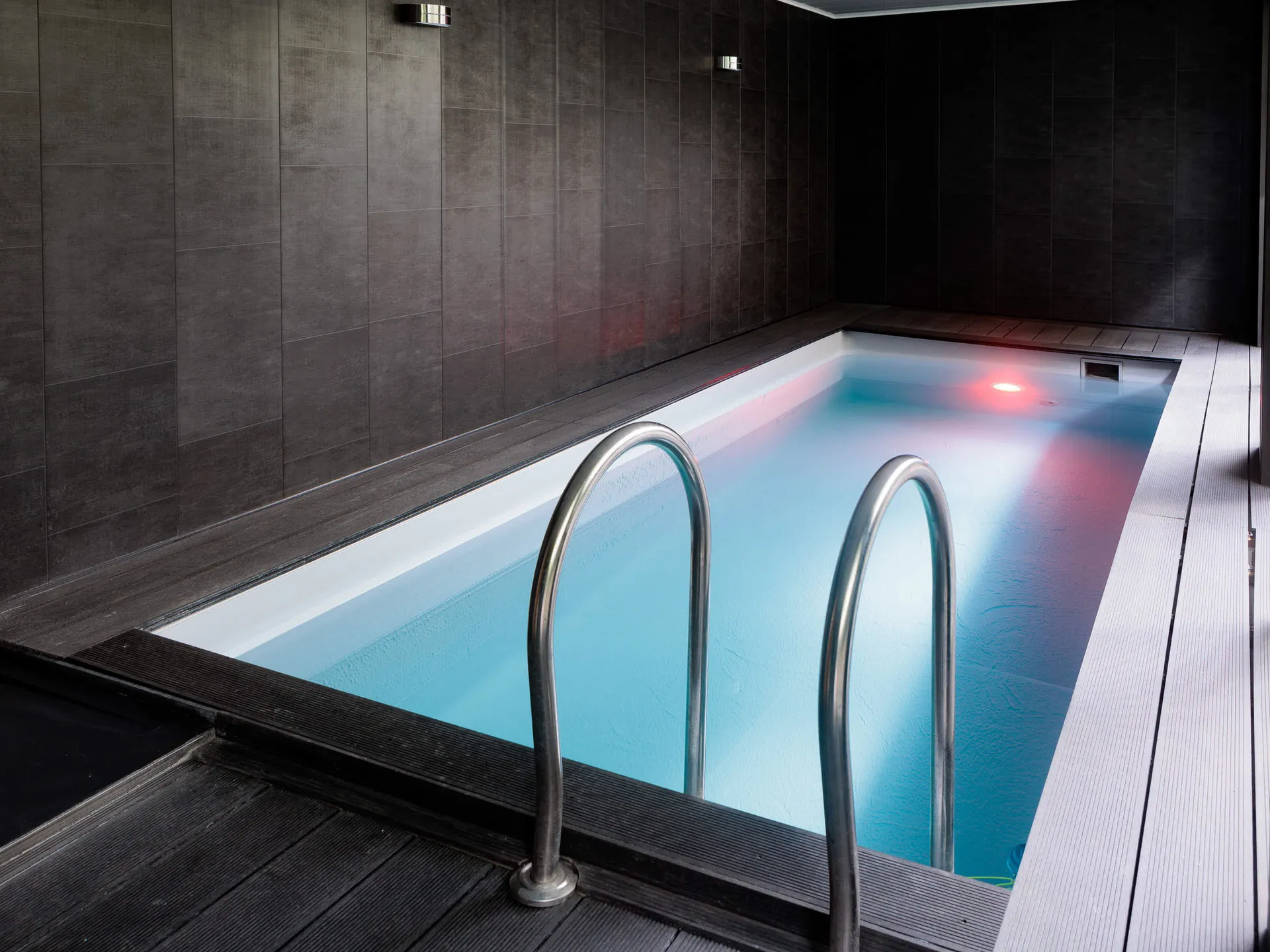
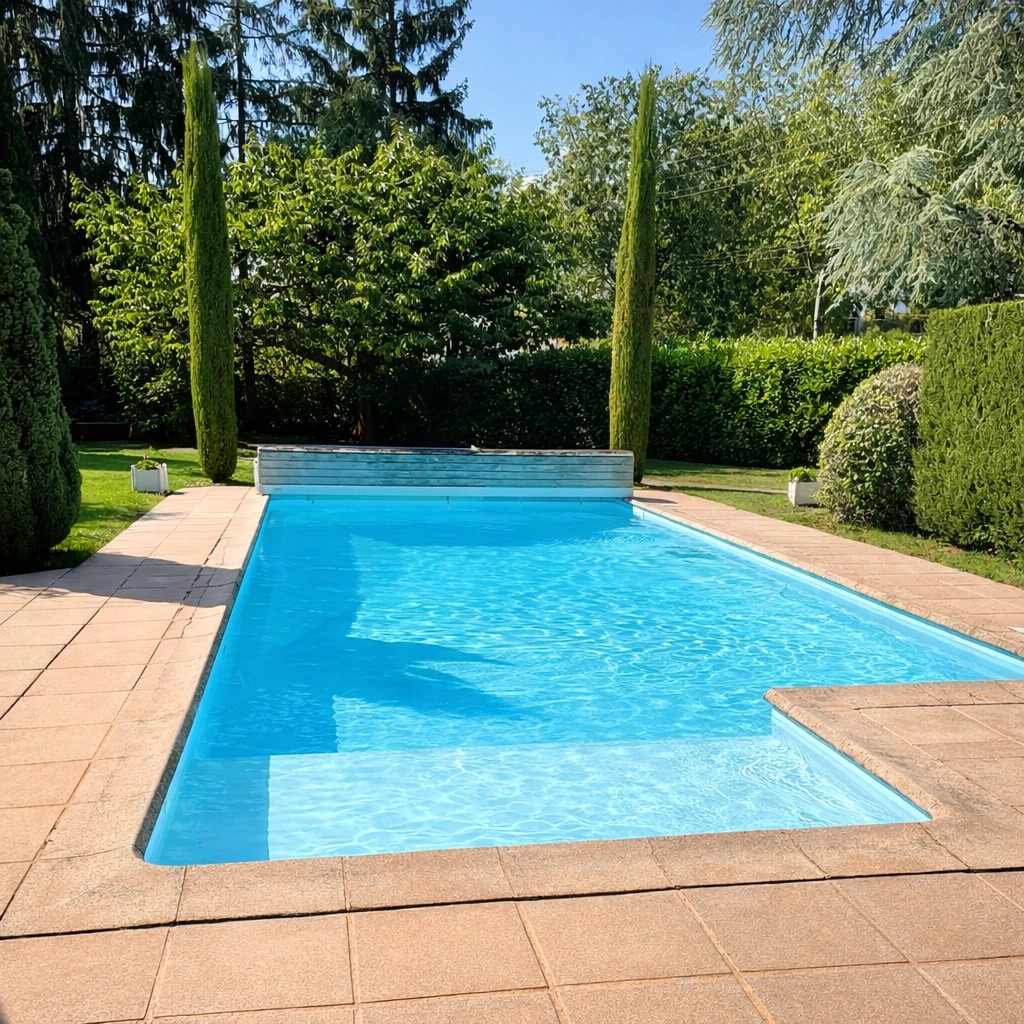
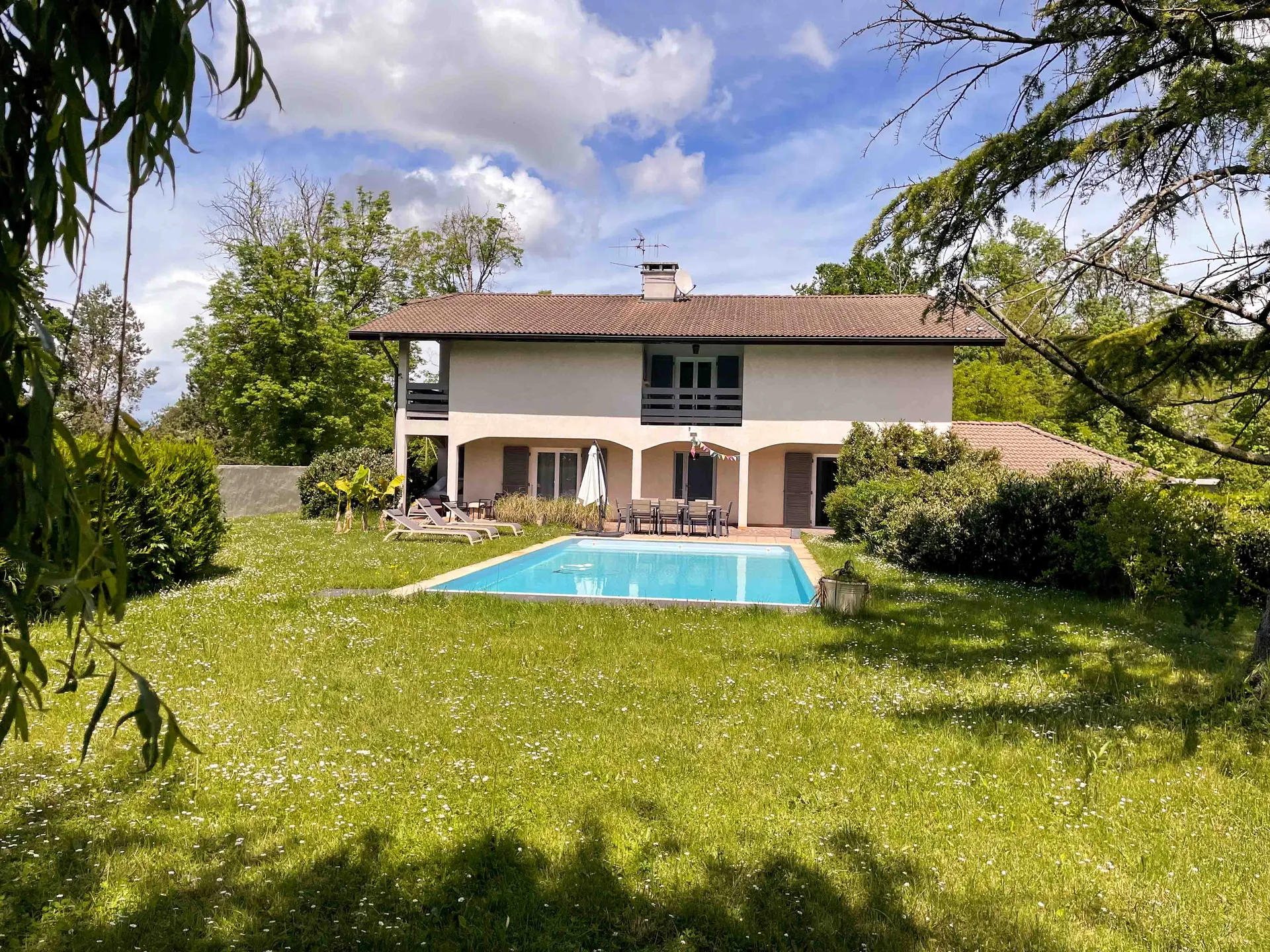
At La Villa Coliving, we offer a private gym, pool and yoga/fitness classes included in the rent. This isn't anecdotal: these shared spaces are the primary meeting places between residents. The advantage is you don't even need to leave home to start.
2. Facebook Groups and Meetup: The Most Accessible Channel
Before meeting people in person, online groups give you an overview of the local community and upcoming events.
Essential Facebook groups for cross-border workers: "Frontaliers du Grand Genève" (practical advice and support), "Expats in Geneva" (social events, in English), "Français à Genève" (good deals and outings), "Apéros Frontaliers" (organised monthly meetups). Some of these groups organise regular IRL (in real life) events — they bridge the gap between virtual networking and real encounters.
Meetup.com is underused by cross-border workers on the French side but very active in Geneva. Groups like "Geneva International Network", "Hiking in Geneva", "Language Exchange Geneva" attract exactly the profile you're looking for: open, international people, often recently arrived themselves.
3. Local Events: The Most Natural Channel
The Grand Geneva area is rich in events that mix French and Swiss communities.
Annemasse's weekly markets (Tuesday and Friday) are more than a place to buy vegetables — they're a social venue where regulars meet and chat. Bars and restaurants in central Annemasse (Le Bureau, La Brasserie du Faucigny, L'Atelier) have a mixed cross-border/local clientele. The Fête de la Musique (June), Annecy Cinema Festival (June), and cross-border Christmas markets are natural occasions for meeting people.
On the Geneva side, the Bains des Pâquis in summer, Carouge's bars, and events in the Nations quarter attract an international, open crowd.
4. Coworking Spaces: The Professional Channel
If you work remotely some days (increasingly common for cross-border workers), a coworking space on the French side is an excellent way to meet other professionals in the same situation.
The Annemasse Agglo incubator, the shared spaces developing in the area — these places attract freelancers, entrepreneurs and remote workers who are also looking for social connection. The advantage of coworking is that it creates a professional AND social network simultaneously.
5. Coliving: The Most Integrated Channel
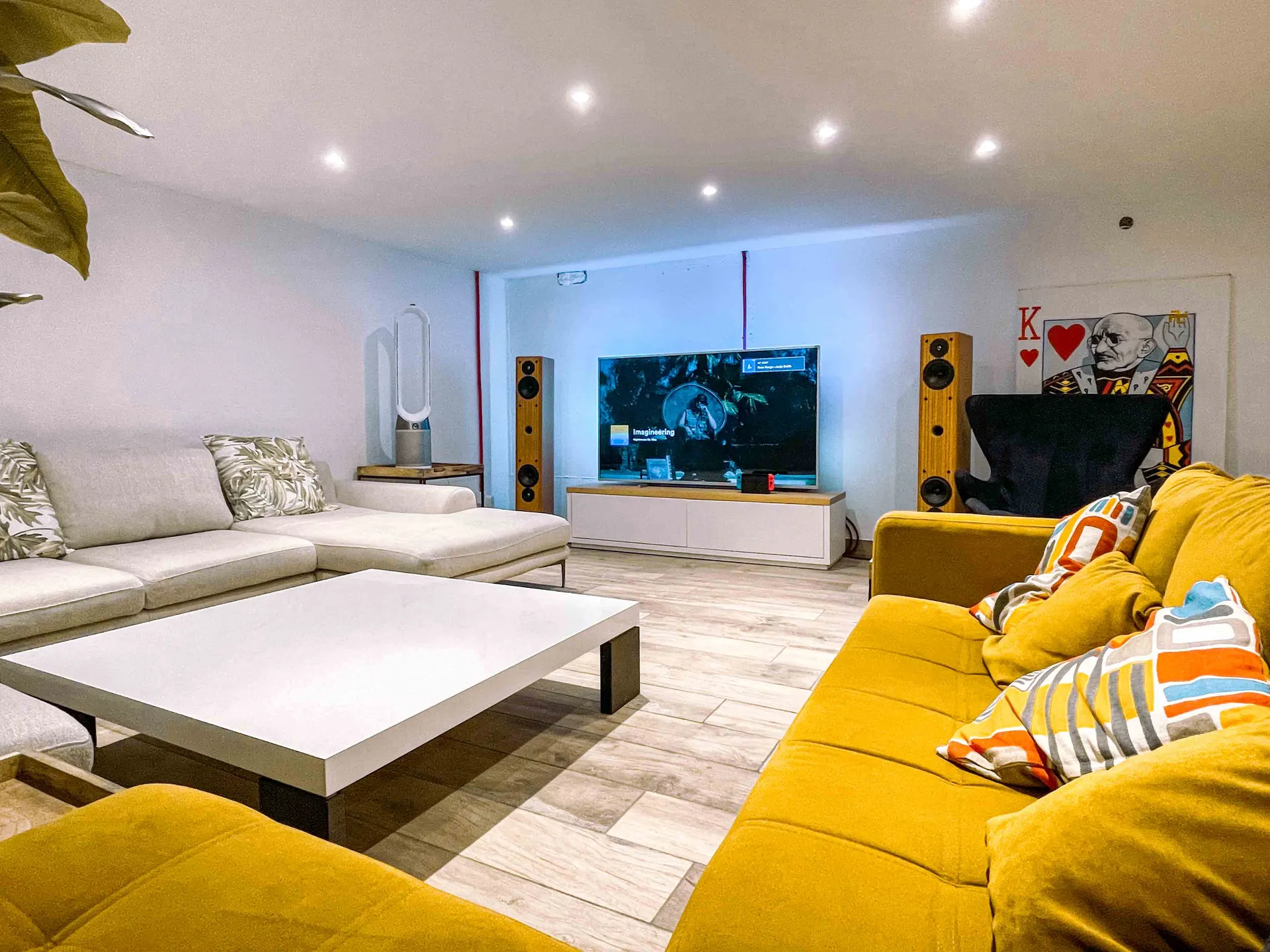
This is the "cheat code" our residents describe most often. Coliving doesn't just give you a roof — it gives you an instant community. You share common areas (kitchen, living room, terrace, pool) with 7 to 12 other people living the same experience as you.
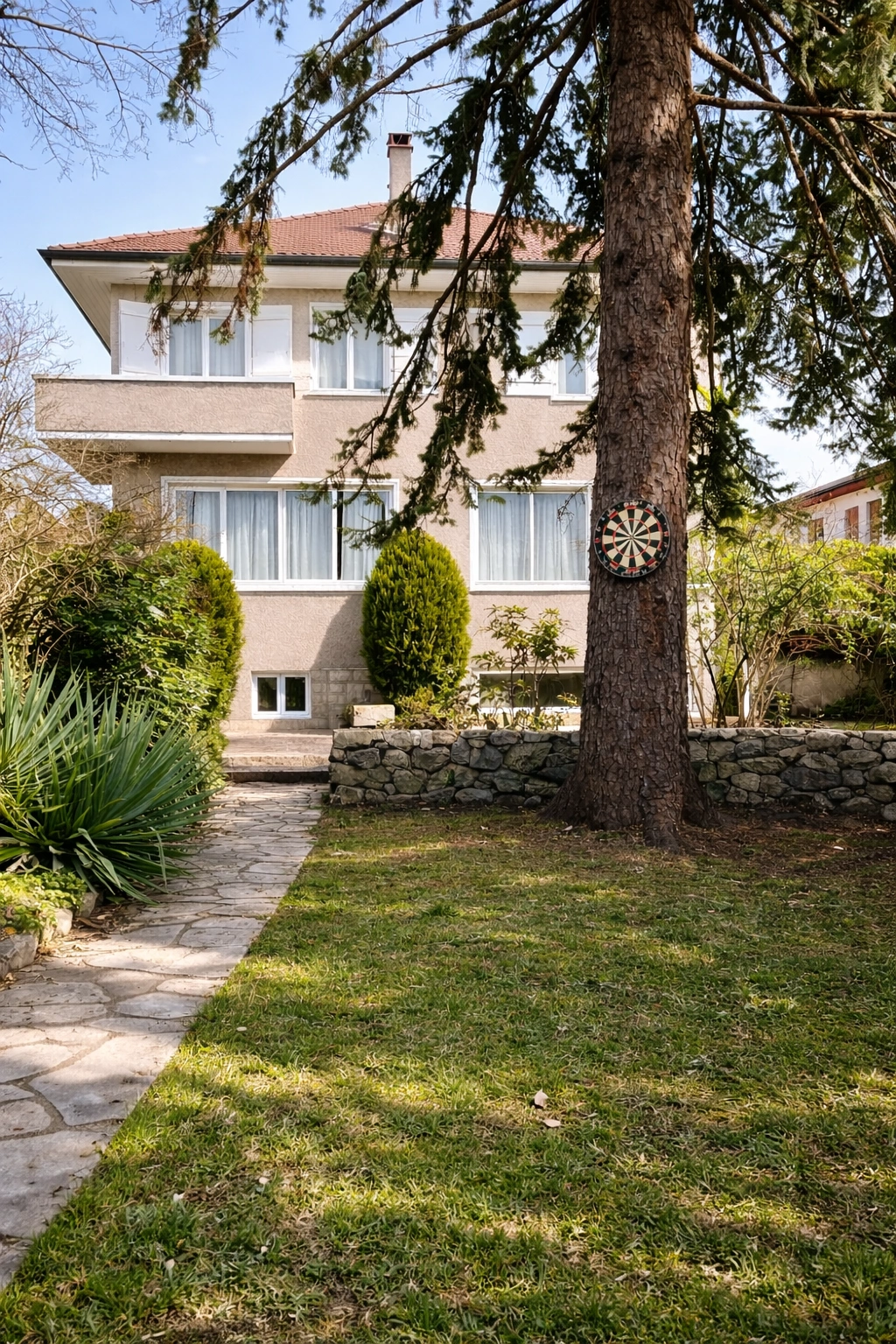
At La Villa Coliving, the social dynamic is natural: Friday drinks, summer barbecues, game nights, shared sports sessions. But beyond organised events, it's daily life that creates bonds: morning coffee in the shared kitchen, an evening chat in the living room, advice on the best local doctor.
Most of our residents tell us their local network was built 70% through coliving. The remaining 30% comes from work and outside activities — but the coliving social base makes everything else easier.
The Realistic Timeline
Week 1-2: Observation and sign-up
Join 3-4 cross-border Facebook groups. Sign up on Meetup.com. Identify 2-3 sports or club activities that interest you. Spot upcoming local events. Don't try to do everything — choose what naturally appeals to you.
Week 3-4: First contact
Attend a first Meetup or Facebook event. Go to a group class at a gym. Start a conversation with a neighbour or colleague on a concrete topic (not empty small talk — ask for practical advice, it's more natural).
Month 2: Social routine
Establish rituals: the same sports class each week, the same café on Saturday mornings, the same hiking group one Sunday per month. Regularity is key — it's by seeing the same people regularly that acquaintances become friends.
Month 3-6: Consolidation
Organise an event yourself: drinks at your place, a trail outing, a dinner. Moving from guest to organiser dramatically accelerates network building. You become a social node, not just a participant.
Mistakes That Isolate
Waiting for it to happen naturally: networks don't build themselves passively. People won't come knocking at your door. It's up to you to take the first step, and that's normal — everyone is in the same situation.
Only socialising with compatriots: if you're French, it's tempting to only hang out with other French people. But the richness of the Geneva area is its diversity. Expats of all nationalities share your "new to the region" situation and are often the most open to meeting people.
Betting everything on work: your colleagues are a first network, but it's fragile. If you change jobs, you lose a large part of your social life. Diversify your circles.
Refusing invitations: in the first few weeks, say yes to everything (within reason). Even if the event doesn't excite you on paper, it's by stepping out of your comfort zone that the best encounters happen.
Staying glued to your phone: at social events, put your phone away. Physical presence and attention are the foundations of any human connection.
The Often-Forgotten Factor: Local Quality of Life
Network building is directly linked to your general wellbeing. If you're stressed about housing, exhausted by commuting, or frustrated by daily life, you won't have the social energy needed.
This is why housing choice is strategic: a pleasant, well-located place with included services frees you from daily mental load and leaves you energy to invest in your social life.
Conclusion
Building a network in Geneva when arriving alone takes time — count 3 to 6 months for a solid social base. But it's an investment that pays enormous dividends: quality of life, professional opportunities, regional discovery, sense of belonging.
The most effective levers are sports, community events and coliving. If you can combine all three, you considerably shorten the integration timeline.
Also read:
- Arriving alone in Geneva: the 30-day guide
- Franco-Swiss culture shock: survival guide
- Coliving: who it's for (and who it's not)
Want to start with a network already in place? Discover La Villa Coliving and apply here.
👉 Looking for shared housing near Geneva? At La Villa Coliving (Ville-la-Grand, Ambilly and Annemasse), a fully furnished all-inclusive room costs from CHF 1,370/month — utilities, fiber and cleaning included, no application fee — 15-20 minutes from Geneva by Léman Express or tram.