Arriving Alone in Geneva: Your Complete 30-Day Guide
Arriving Alone in Geneva: Your Complete 30-Day Guide
You've just landed a job in Geneva. The salary is attractive, the quality of life exceptional… but you don't know anyone. Don't worry: thousands of cross-border workers and expats go through this every year. This guide walks you through your first 30 days, day by day, to turn the unknown into a well-managed routine.
Before Day 1: Preparation (D-15 to D-1)
A successful move starts before you even set foot in Haute-Savoie. Two weeks before your move, put together your rental application file (last 3 pay slips or your Swiss contract, ID, French bank details). If you don't have a French bank account yet, open one online — Boursorama, Fortuneo or BoursoBank work perfectly and are free.
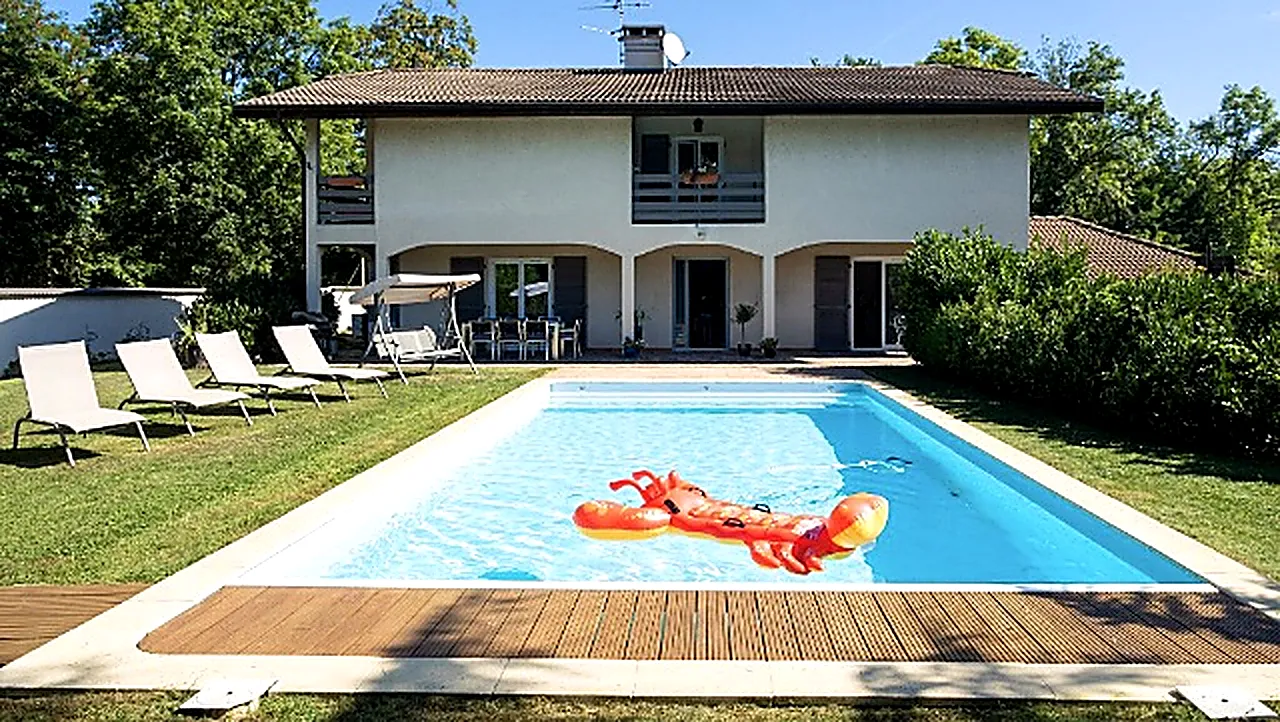
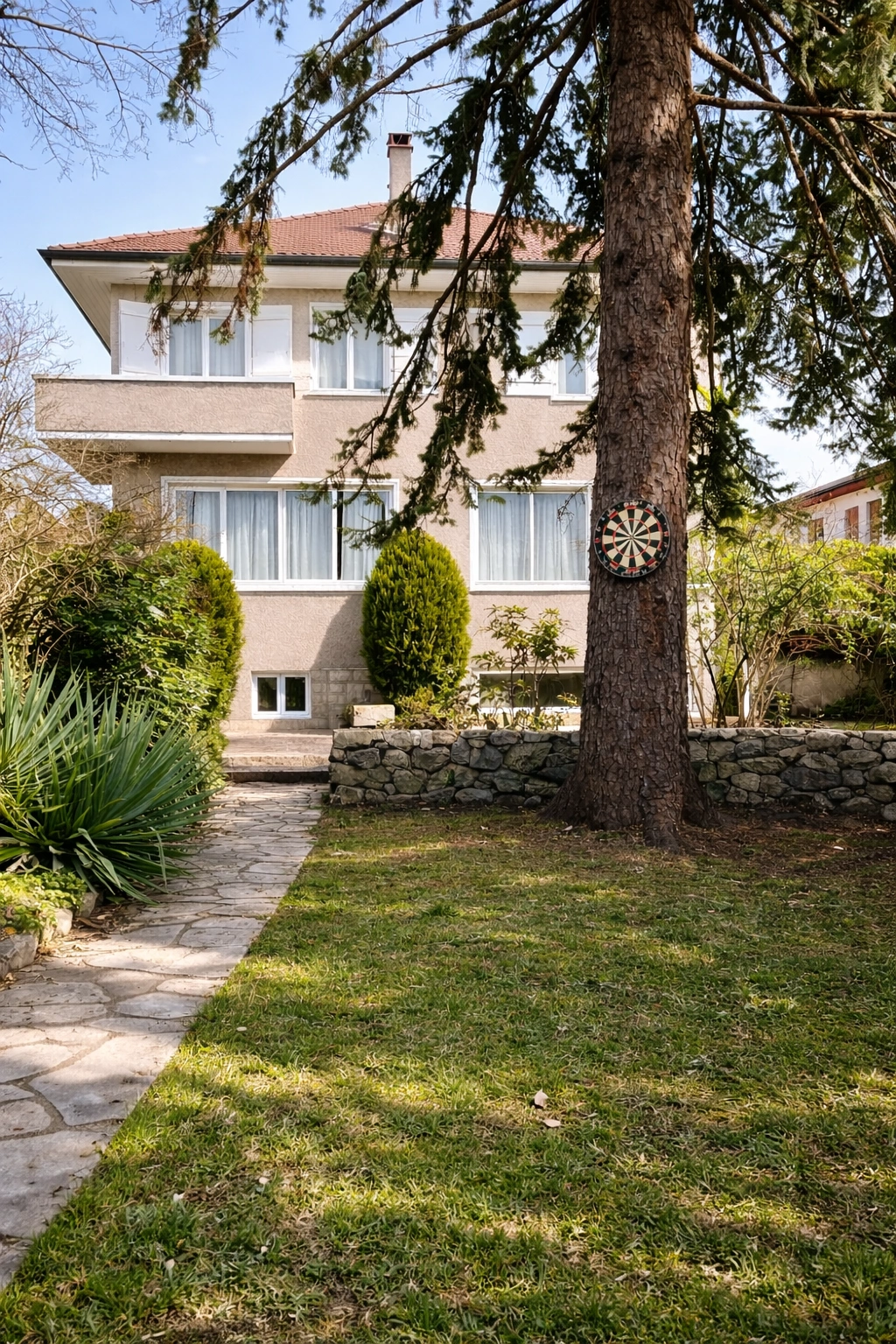
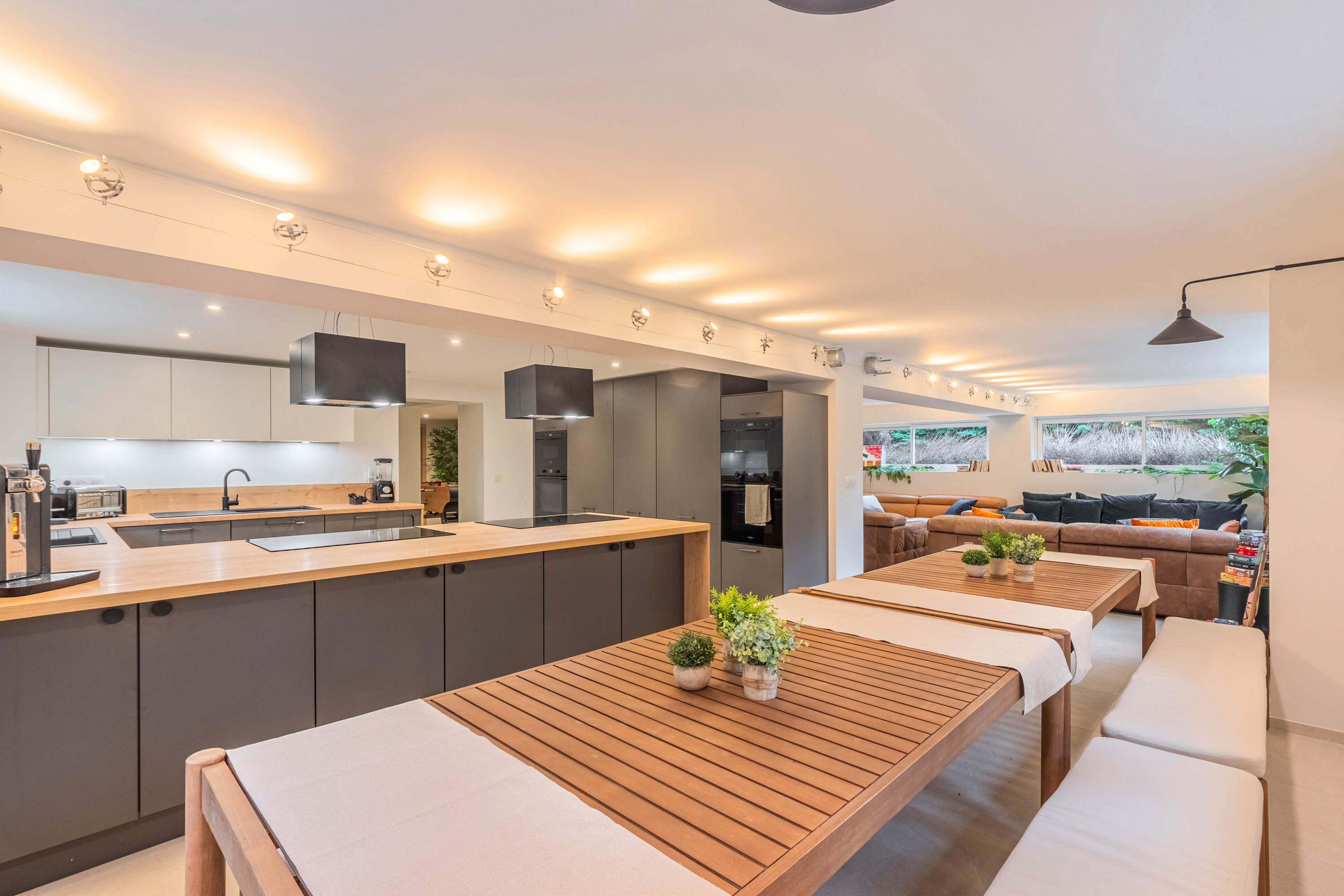
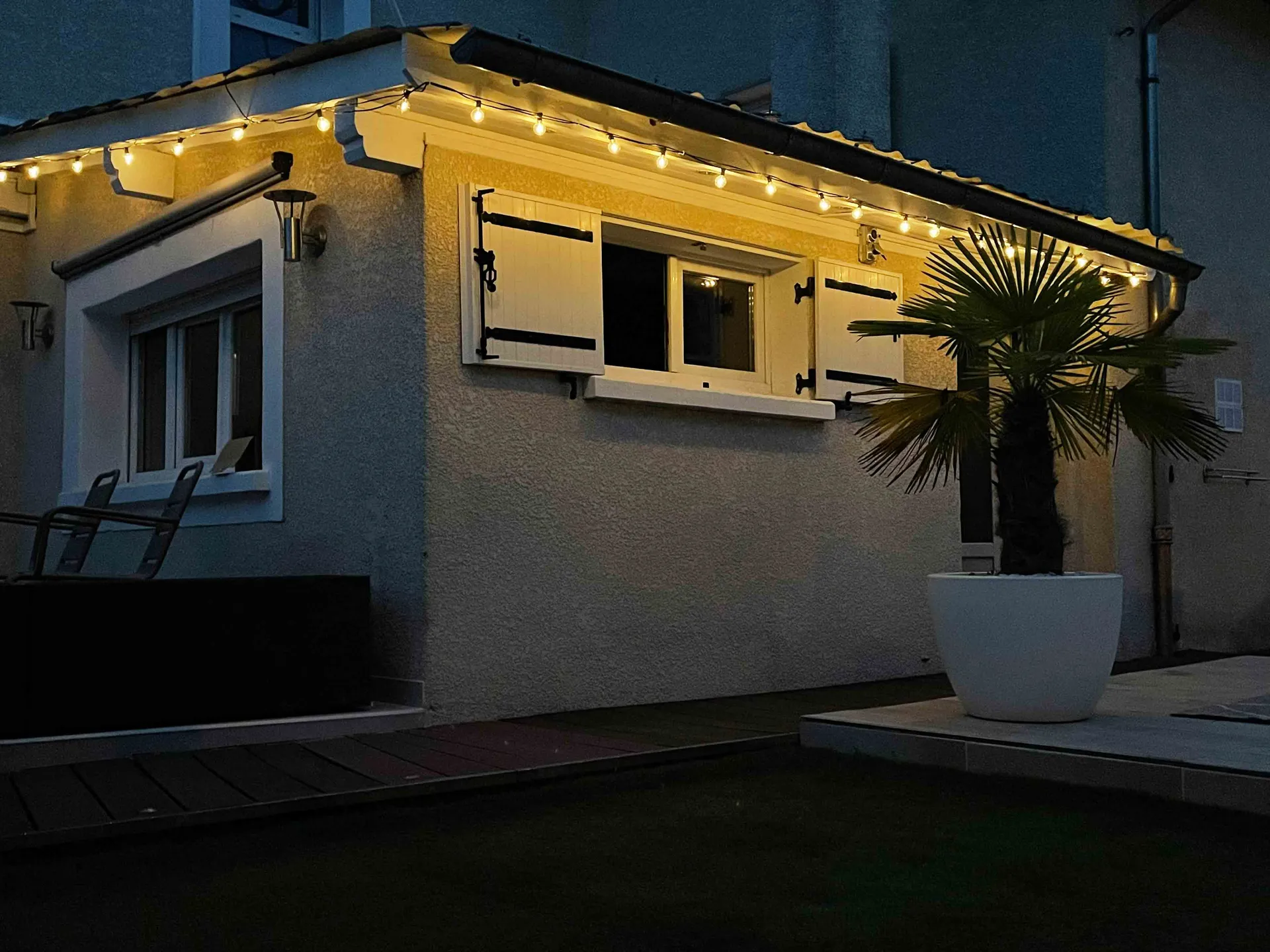
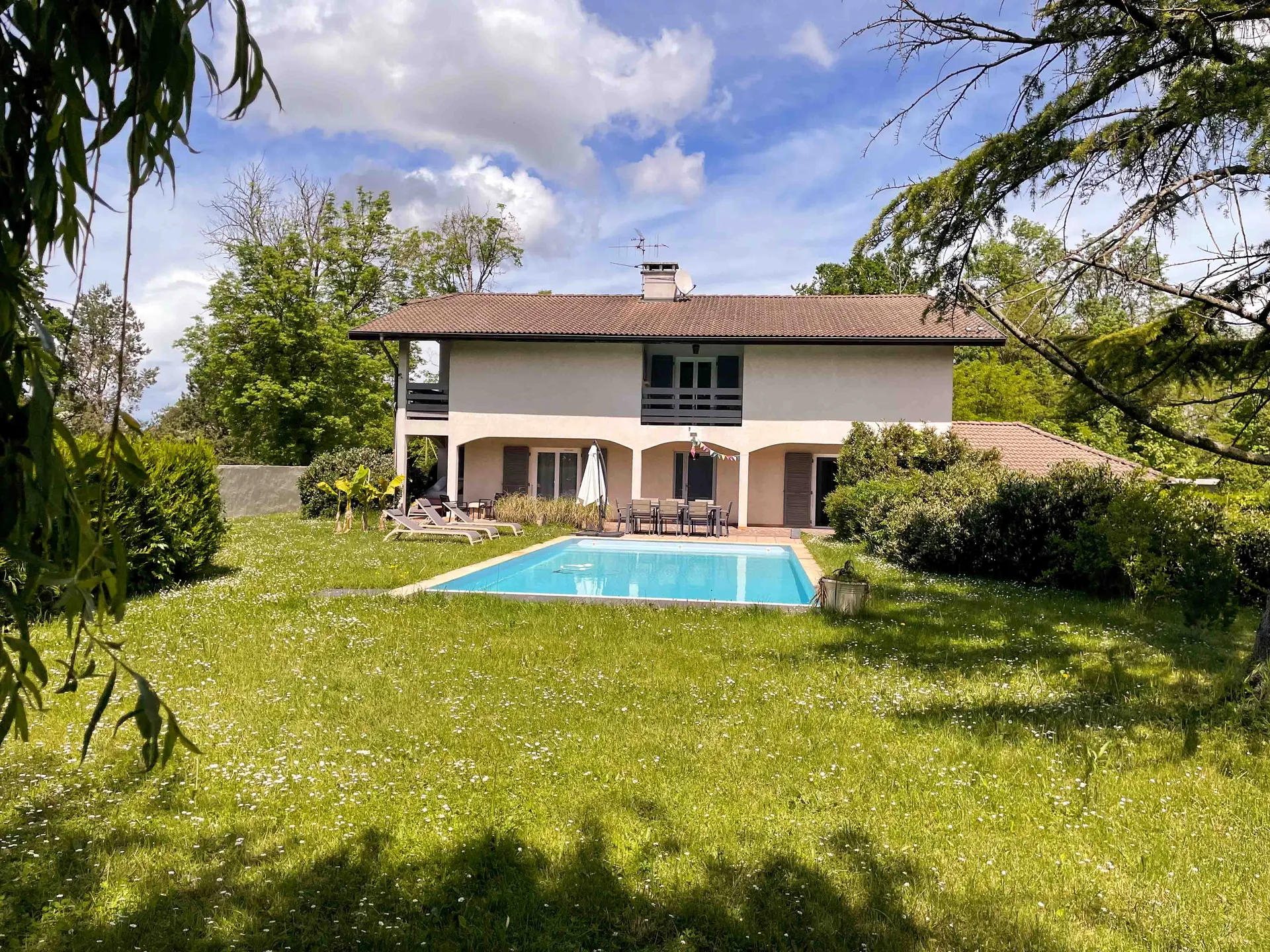
For housing, the cross-border market is tight but manageable. The Annemasse-Ambilly-Ville-la-Grand area offers the best proximity-to-price ratio: you're 5 minutes from the tram that takes you to central Geneva. Coliving is a particularly smart option for newcomers: furnished housing, all-inclusive, with a built-in community from day one. At La Villa Coliving, our residents regularly tell us this is what made the difference in their integration.
Also gather your Swiss documents: G work permit (your employer usually handles this), employer certificate, and any secondment attestation if you're on a temporary assignment.
Week 1 (Day 1-7): The Vital Basics
Day 1-2: Getting settled physically
Your first mission: make your home functional. If you've chosen furnished or coliving accommodation, it's already done. Otherwise, IKEA Annemasse (10 minutes by car) and the shops at Espace Candide mall cover the essentials.
Get connected to internet. In coliving, it's included. In an individual apartment, expect 2-3 weeks for fibre installation (Free, Orange, SFR all cover the area well). In the meantime, a mobile plan with plenty of data will do — more on this later.
Day 3-4: French administrative steps
Visit the town hall to register on electoral lists if you wish, and especially to get an official proof of address. Then update your address with CPAM (or CMU if you opt for the French health system) and your pension fund.
If you're coming from another French region, report your address change on service-public.fr — a single form updates most administrations.
Day 5-7: Swiss administrative steps
Your employer has normally paved the way. However, you still need to:
Visit the Office cantonal de la population et des migrations (OCPM) to activate your G permit if not already done. Book online — the queues are legendary.
Choose your health insurance. This is THE complex topic for cross-border workers. You have 3 months to exercise your right of option between Swiss LAMal and French CMU. This choice is virtually irreversible. In short: LAMal costs more monthly but provides better coverage in Switzerland. CMU is cheaper but you'll be less well covered on the Swiss side. For a healthy young professional, CMU is often the most economical choice — but do your calculations.
Open a Swiss bank account if your employer pays in CHF to a Swiss account. UBS, BCGE or Raiffeisen are the most common. Some employers accept payment to a French account, which simplifies things.
Week 2 (Day 8-14): Optimising Daily Life
Transport: finding your rhythm
The Léman Express is the backbone of cross-border transport. From Annemasse, you're at Geneva Cornavin in 20 minutes, at the airport in 25 minutes. A monthly Unireso Tout Genève pass costs about 70 CHF. If you live in Ville-la-Grand or Ambilly, tram 17 takes you to Annemasse station in minutes.
For occasional trips, the TPG app (Geneva public transport) is essential. It also covers cross-border lines.
Cycling is a real option in good weather: the VoieVerte follows the Arve river from Annemasse to Geneva, on a dedicated path, car-free. Allow 30 minutes of pleasant pedalling.
Shopping and practical life
On the French side, prices are significantly lower than in Switzerland. Carrefour, Lidl and Intermarché in Annemasse cover all food needs. For premium products, there's also a market on Tuesdays and Fridays at Place de l'Hôtel de Ville in Annemasse.
On the Swiss side, only shop at Migros or Coop for typically Swiss products — prices are 40-60% higher than in France for everyday items.
Healthcare
Register with a GP on the French side. Wait times for a first appointment can be long (2-3 weeks). Doctolib works in the area and makes searching easier. For emergencies, Annemasse hospital (Centre Hospitalier Alpes-Léman in Contamine-sur-Arve) is the nearest. On the Swiss side, HUG (Geneva University Hospitals) are excellent but expensive without LAMal coverage.
Week 3 (Day 15-21): Building Social Connections
This is often the most underestimated yet most important part. Arriving alone in a new city can weigh on you, especially when your Swiss colleagues go home in the evening and you don't know anyone on the French side.
Concrete strategies
Facebook groups for cross-border workers are very active: "Frontaliers Genevois", "Expats in Geneva", "Français à Genève". You'll find practical advice and event invitations.
Sports activities are an excellent social vector. Gyms (Basic Fit Annemasse, Fitness Park), running clubs (Courir à Annemasse), and local sports associations help you meet people quickly.
Grand Genève events: concerts, festivals, markets, cultural events — check the Grand Genève agenda (grand-geneve.org) to stay informed.
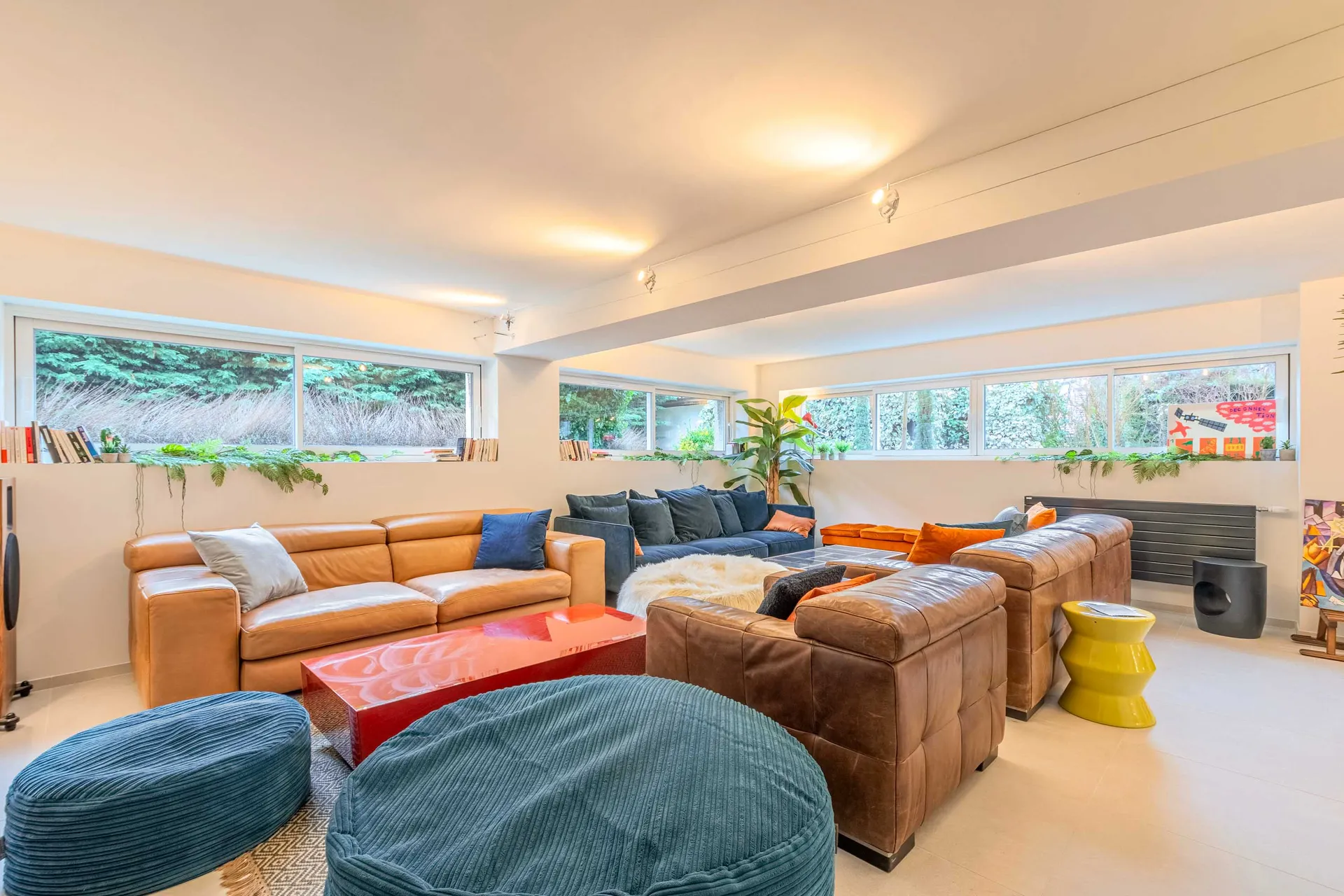
Coliving offers a unique advantage here: you have housemates from the very first evening. Common areas, organised events (barbecues, game nights, Friday drinks) naturally create connections. At La Villa Coliving, most of our residents say it was their coliving community that helped them build their local network.
The cultural barrier
The "Swiss coldness" is a cliché… that contains some truth. Genevans are polite but it takes longer to build deep friendships than in France. Don't take it personally — it's cultural. Expats and other cross-border workers are often more open to new encounters, as they're living the same situation as you.
Week 4 (Day 22-30): Consolidate and Plan Ahead
Finances: taking stock
After one month, you'll have a realistic idea of your expenses. A cross-border worker in Annemasse can expect a monthly budget of:
Housing: €800-1,500 depending on type (studio, shared flat, all-inclusive coliving). At La Villa Coliving, the rent of 1,380 CHF includes absolutely everything — utilities, internet, cleaning, gym, pool, streaming, etc.
Transport: 70-150 CHF/month (Unireso pass + fuel if vehicle)
Food: €300-500 (mainly shopping in France)
Health insurance: €0 (CMU) to 400+ CHF (LAMal depending on deductible)
Total excluding housing: approximately €500-900 per month
Planning ahead
After 30 days, you should have ticked off the essentials. Here's what often remains pending and can be addressed in the following months: tax declaration (cross-border = declaration in France on Swiss income, except canton of Geneva which deducts at source), optimising your 2nd pillar (Swiss occupational pension), and possibly purchasing a vehicle if your commute requires it.
The 5 Mistakes to Absolutely Avoid
Doing everything on the Swiss side: shopping, doctor, insurance… you'll pay 40-60% more for equivalent services. Live on the French side, work on the Swiss side.
Neglecting health insurance: the 3-month deadline for the right of option passes quickly. Research from week 1.
Isolating yourself: the classic trap for solo cross-border workers. Force yourself to go out, join a club, participate in local events. Or choose a coliving that integrates this social dimension.
Underestimating peak-hour commute times: by car, the border crossing can triple your journey time. The Léman Express is more reliable.
Not opening a French bank account: even if your salary arrives in CHF, you'll need a French RIB for rent, taxes and everyday life in France.
Conclusion
Thirty days are enough to build solid foundations. The key is not to do everything at once: first housing and paperwork, then daily life optimisation, and finally your social network. The Annemasse-Geneva area is particularly welcoming for newcomers — the cross-border community is large, supportive, and used to integrating new arrivals.
If you're looking for housing that solves furnished living, utilities, internet and social life all at once, discover our coliving houses. Our residents often arrive alone and leave with a solid network.
Also read:
- Cross-border rental application: how not to get rejected
- Banking, phone, internet: the best cross-border deals
- Geneva flatshare budget: the complete guide
Preparing your arrival? Apply now — we'll guide you through.