Renting in France with No French Guarantor: The Cross-Border Guide
Cross-Border Rental Application: How Not to Get Rejected
You earn 6,000 CHF per month, well above most tenants in the area. Yet your rental application gets rejected. This is one of the most frustrating paradoxes of cross-border life: an excellent income doesn't guarantee housing, because French landlords don't always know how to read a Swiss contract.
This guide explains how to build an application that reassures, convinces and rises to the top of the pile.
Why cross-border workers struggle
The problem is rarely financial. Cross-border workers have some of the highest incomes in Haute-Savoie. The problem is threefold:
The currency: your salary is in Swiss francs. A French landlord used to thinking in euros can be thrown off. They don't necessarily know that 1 CHF ≈ €1.05-1.10 and that your 5,500 CHF salary equals approximately €5,800.
Document format: a Swiss employment contract looks nothing like a French one. There's no systematic collective agreement, the format varies by canton, and Swiss payslips are organised differently (1st/2nd pillar deductions, AVS, etc.).
Perceived stability: some landlords fear a foreign worker might leave "overnight". It's a prejudice, but it exists.
The Perfect Application File
1. Identity document
Valid ID card or passport. If you're non-European, add your French residence permit AND your Swiss G permit.
2. Current proof of address
Your last rent receipt, or a hosting certificate if staying with someone. If arriving from abroad, the last proof from your country of origin with a translation suffices.
3. Swiss employment contract
This is where it matters. Your contract should be accompanied by a free translation of key points (no sworn translator needed for a rental application):
- Contract type: permanent (unbefristeter Arbeitsvertrag) or fixed-term
- Employer and workplace
- Monthly or annual gross salary
- Start date
Add a handwritten or typed note: "Permanent contract — gross salary of X CHF/month, approximately €Y/month at current exchange rate." This makes the landlord's life easier.
4. Last 3 payslips
If you've just arrived and don't have 3 yet, provide your contract + the first available payslip + an employer certificate (see point 6).
For each payslip, highlight or annotate the net salary converting it to euros. Use the day's rate (Google "CHF to EUR") and indicate it.
5. Latest tax notice
If you were a French resident the previous year, provide the standard tax notice. If arriving from abroad, provide the equivalent from your country of origin (tax return, Steuerbescheid, etc.).
Tip: if your tax notice shows low income (because you were a student or early career), add a note explaining the situation and highlighting your current income.
6. Employer certificate (the game-changing document)
This is the document most cross-border workers forget — we see it in the application files that come through every month — and it's the one that tips the balance. Ask your Swiss HR department for a letter on company letterhead confirming:
- Your position and tenure
- Contract type (permanent/fixed-term)
- Annual gross salary
- That you've passed your probation period (if applicable)
If possible, request it in French or bilingual. Large Geneva companies (banks, international organisations, multinationals) are used to providing this type of document.
7. Guarantor (if needed)
If your net income is below 3 times the rent (rare for a cross-border worker, but possible for a first job), you'll need a guarantor. Two options:
A personal guarantor: parent or close relative residing in France, with the same supporting documents.
Visale: Action Logement's free guarantee. Note that eligibility conditions are strict (under 30, or in professional mobility). Check on visale.fr.
Garantme or Cautioneo: paid services (3-4% of annual rent) that act as guarantors for you. Particularly useful if you don't have a guarantor in France.
The Enhanced File: Extras That Make the Difference
Beyond mandatory documents, certain extras can put you at the top of the pile:
A rental motivation letter: it might seem surprising, but in a tight market, a short letter (5-10 lines) explaining who you are, why you're looking in this area and how long you plan to stay is hugely reassuring. Be concrete: "I work at [company] in Geneva on a permanent contract since [date]. I'm looking for stable housing for at least 2-3 years in the Annemasse area due to its proximity to my workplace."
A bank statement: not mandatory, but showing a positive balance and regular income inspires confidence. Mask sensitive details if you wish.
Your G permit: attach a copy. This proves your cross-border status is official and regulated.
A clean digital file: create a single, well-organised PDF with a table of contents. Landlords receive dozens of applications — a clean, complete file immediately stands out.
Fatal Mistakes
Sending an incomplete file: an application with missing documents is eliminated immediately — we see it in the applications we receive: a complete file always comes out ahead. Better to send a day later than a rushed file.
Not converting to euros: forcing the landlord to do the conversion themselves gives them a reason to move to the next application.
Neglecting presentation: illegible scans, phone photos of documents taken in the dark, files named "IMG_4523.jpg"… Take 10 minutes to organise everything.
Lying about income: the temptation can be strong to inflate figures, but it's grounds for lease nullification. Stay honest — your real income is more than sufficient.
The Coliving Alternative: Zero Hassle
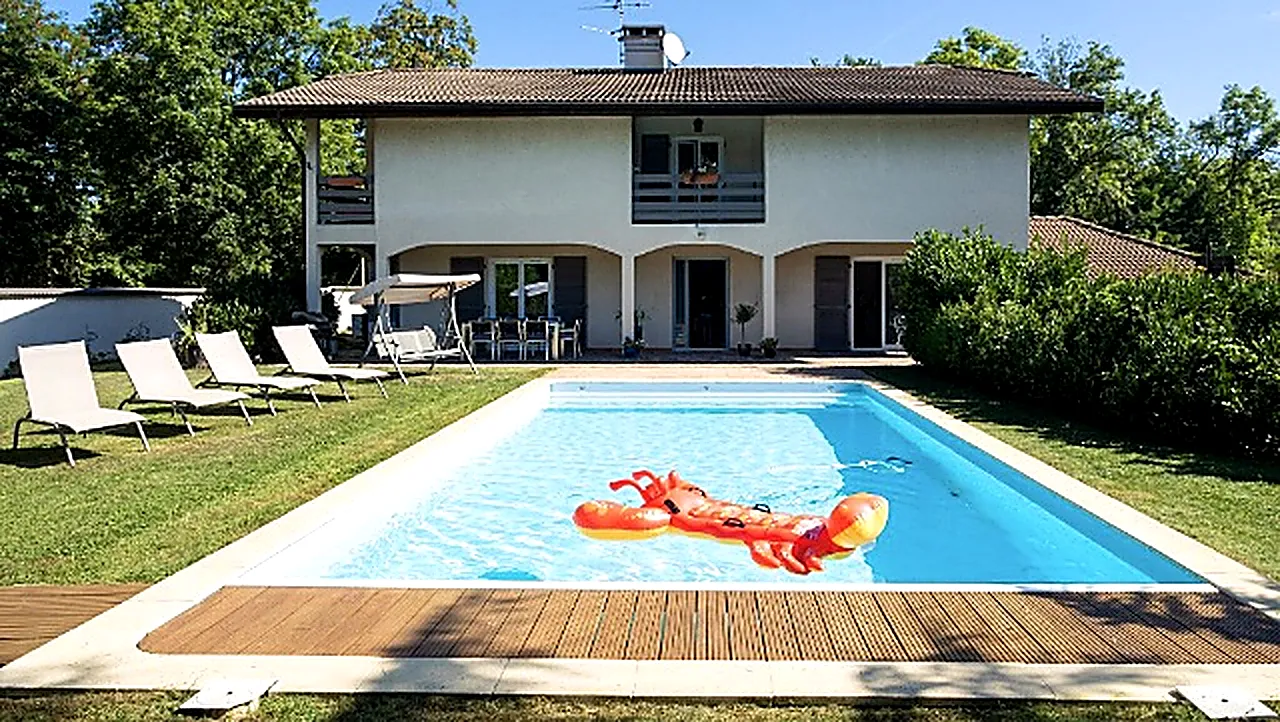
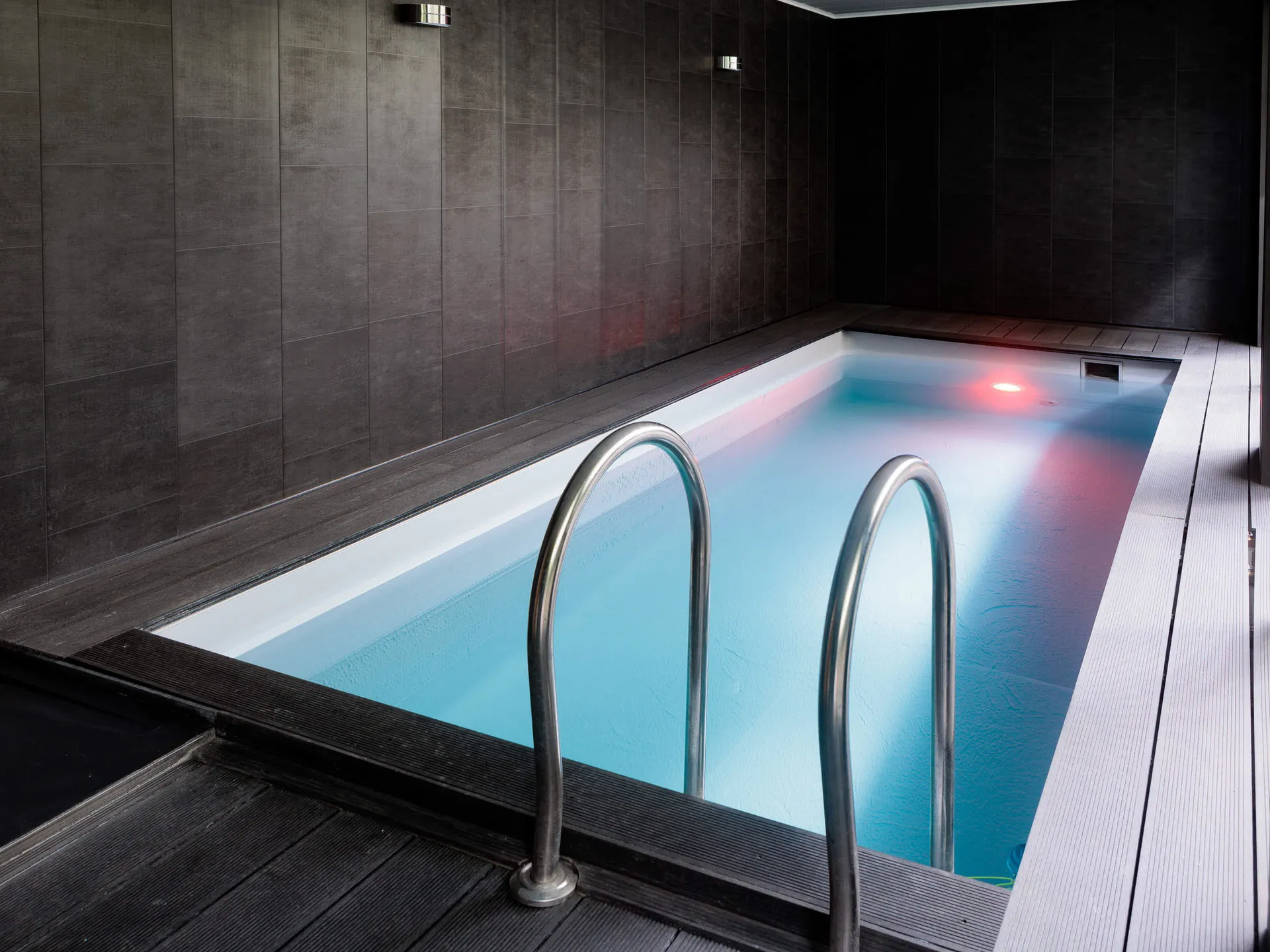
If the rental obstacle course discourages you, coliving offers a radical alternative: a simplified application process (employment contract or job offer, a guarantor only case by case), an all-inclusive furnished lease, and move-in possible within days.
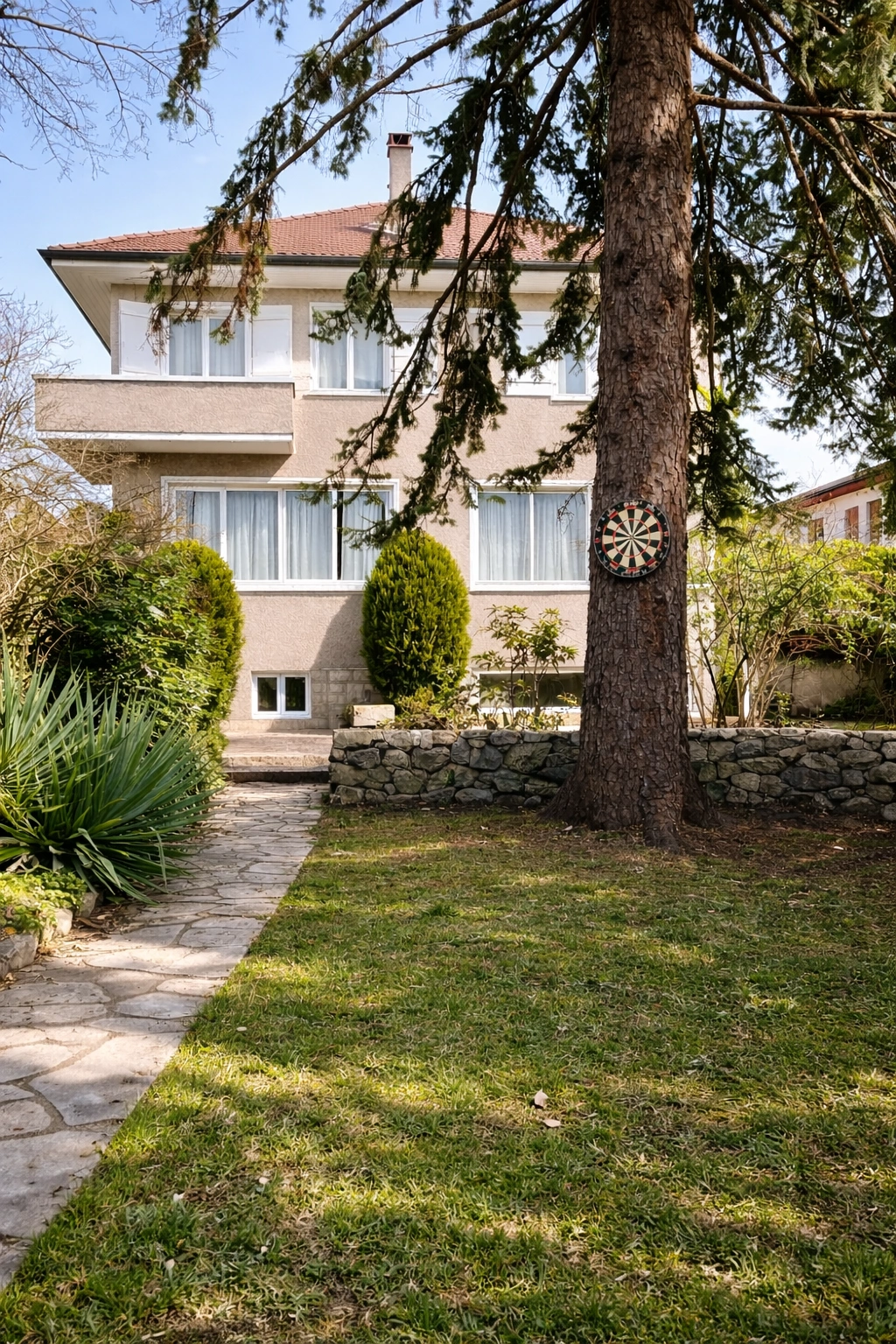
At La Villa Coliving, we welcome dozens of cross-border workers every year. We understand Swiss contract specifics, we think in CHF, and we know that a Geneva salary of 5,000 CHF makes an excellent tenant profile — even if traditional rental platform algorithms don't always understand this.
Final Checklist
Before sending your application, verify: all documents are in readable PDF format, CHF amounts are converted to EUR with the rate indicated, the Swiss employment contract includes an explanatory note, the employer certificate is attached (in French preferably), a short rental motivation letter is included, everything is grouped into a single well-organised PDF file.
With an application like this, you'll rise to the top of the pile. Good luck with your search!
Also read:
- Arriving alone in Geneva: the 30-day guide
- Housing scams for cross-border workers: spot and avoid them
- Geneva studio vs flatshare in France: the real budget
Tired of rejected applications? Apply to La Villa Coliving — simple process, response within 48h.
👉 Need a simple application? At La Villa Coliving (Ville-la-Grand, Ambilly and Annemasse), our shared housing in Geneva accepts cross-border workers with no French guarantor — furnished all-inclusive rooms from CHF 1,370/month, no application fee.