Housing Scams near Geneva: How to Spot and Avoid Them
Housing Scams Near Geneva: How to Spot and Avoid Cross-Border Traps
The rental market between Annemasse and Geneva is one of the tightest in France. High demand, elevated rents, tenants desperate to find housing — it's the perfect cocktail for scammers. Every year, dozens of cross-border workers fall for scams ranging from simple fraud to sophisticated fake leases.
This guide arms you to identify the most common traps and protect your money.
Scam #1: The Fake Remote Landlord
How it works
You find an enticing listing on leboncoin, Facebook Marketplace or a cross-border Facebook group. A beautiful apartment, well located, at a price just below market — attractive enough to be credible, but not low enough to be suspicious.
You contact the poster. They present themselves as the owner, explain they're abroad (in Switzerland, Belgium, Canada — doesn't matter) and can't do an in-person viewing. They offer to send the keys by post, or to leave keys with a neighbour, provided you wire a deposit + first month's rent.
You send the money. You never receive the keys. The listing disappears, the phone number stops answering.
Warning signs
The landlord is "abroad" and can't meet you. No serious landlord rents without seeing their tenant, or at minimum without an agent managing the relationship locally.
The price is slightly below market. A 2-bedroom flat in central Annemasse at €650 all-inclusive when the market rate is €800? Too good to be true.
You're asked for money before any viewing. This is the golden rule — the one we repeat to every applicant who tells us about their search: never pay a single cent before visiting the property AND verifying the owner's identity.
Communication is only by email or WhatsApp, never by phone or in person.
Photos look too professional or too perfect — they may be stolen from a real estate agency website or holiday rental platform.
How to verify
Do a reverse image search on the photos (Google Images, TinEye): if they appear on other listings or sites, it's a scam.
Request a video call with the landlord from inside the property. If they refuse, walk away.
Check the address on Google Maps / Street View: does the building exist? Does it match the photos?
Ask for proof of ownership (property tax notice) and ID. A real landlord will understand the request.
Scam #2: The Fake Lease
How it works
Here, the property actually exists and you might even visit it. But the "landlord" isn't the real owner — they're a tenant, sub-tenant or scammer who got hold of keys to an empty unit.
They have you sign a lease, collect the deposit and first month's rent, then vanish. When the real owner appears, you discover your lease is worthless and you're occupying the property without legal title.
Warning signs
The "landlord" pressures you to sign quickly, sometimes the same day as the viewing. "There's a lot of demand, you need to decide now."
The lease looks amateur: no mandatory legal mentions, no technical diagnostics (DPE, natural risks), no building regulations.
How to verify
Ask to see the property tax notice in the name of the person signing the lease.
Verify the name on the tax notice matches the ID presented.
If dealing with a private landlord, check building records or ask the building management who owns the unit.
Scam #3: Hidden Illegal Fees
How it works
This isn't always a "scam" in the criminal sense, but it's illegal and very common. A landlord or agency charges you unauthorised fees:
Excessive application fees: the ALUR law caps letting fees charged to tenants. In tense zones (and Annemasse IS a tense zone), the cap is €10/m². For a 30m² unit, that's €300 maximum. If you're asked for €500 or more, it's illegal.
Excessive deposit: for furnished rental, the deposit is capped at 2 months' rent excluding charges. For unfurnished, 1 month. If asked for 3 months, refuse.
"Reservation fees": these don't exist legally. Any payment before lease signing must be a deposit, governed by law.
Imposed insurance: the landlord cannot force you to use a specific insurance. You're free to choose your home insurance.
How to protect yourself
Know your rights: the ALUR law and the law of 6 July 1989 strictly regulate rentals in France. ADIL 74 (Housing Information Agency for Haute-Savoie) is a free service that can advise you.
Refuse any cash payment. Pay by bank transfer to have a paper trail.
Demand a receipt for every sum paid.
Scam #4: Illegal Subletting
How it works
A tenant sublets their apartment (or a room) without the landlord's consent. This is illegal in France unless the landlord has given written approval. If the landlord discovers the subletting, they can terminate the main lease — and you're out with no recourse.
Warning signs
Your "landlord" is actually a tenant (check if they mention "my landlord" or "the building management").
The proposed lease is a "subletting contract" or "availability agreement".
You pay in cash or via payment apps (Lydia, PayPal) rather than standard bank transfer.
The concrete risk
No legal protection in case of eviction. No right to remain in the property. Loss of deposit with no easy recourse. No housing assistance possible (APL, etc.).
Scam #5: Fraudulent Rental Platforms
How it works
Websites imitate known rental platforms (SeLoger, PAP, leboncoin) or present themselves as specialised "cross-border" agencies. They collect registration fees, "application fees" or "access fees" — then disappear or only provide expired or fictitious listings.
Warning signs
The site asks for payment before showing you listings.
The URL doesn't match the official site (check the exact domain).
Online reviews are non-existent or obviously fake.
The site promises "exclusive properties" at too-attractive prices.
The Golden Anti-Scam Rules
Always visit the property in person before paying anything. No visit = no money. No exceptions.
Verify the owner's identity and property ownership (tax notice + ID).
Never pay in cash. Bank transfer only, to an identifiable account.
Be wary of prices that are too low. If it's too good to be true, it probably is.
Use official channels: recognised real estate agencies, verified platforms (SeLoger, PAP, Bien'ici).
Take your time. Pressure ("decide now") is a scam signal.
Contact ADIL 74 when in doubt: free service, legal advice on housing. Tel: 04 50 45 79 72.
The Secure Alternative: Coliving
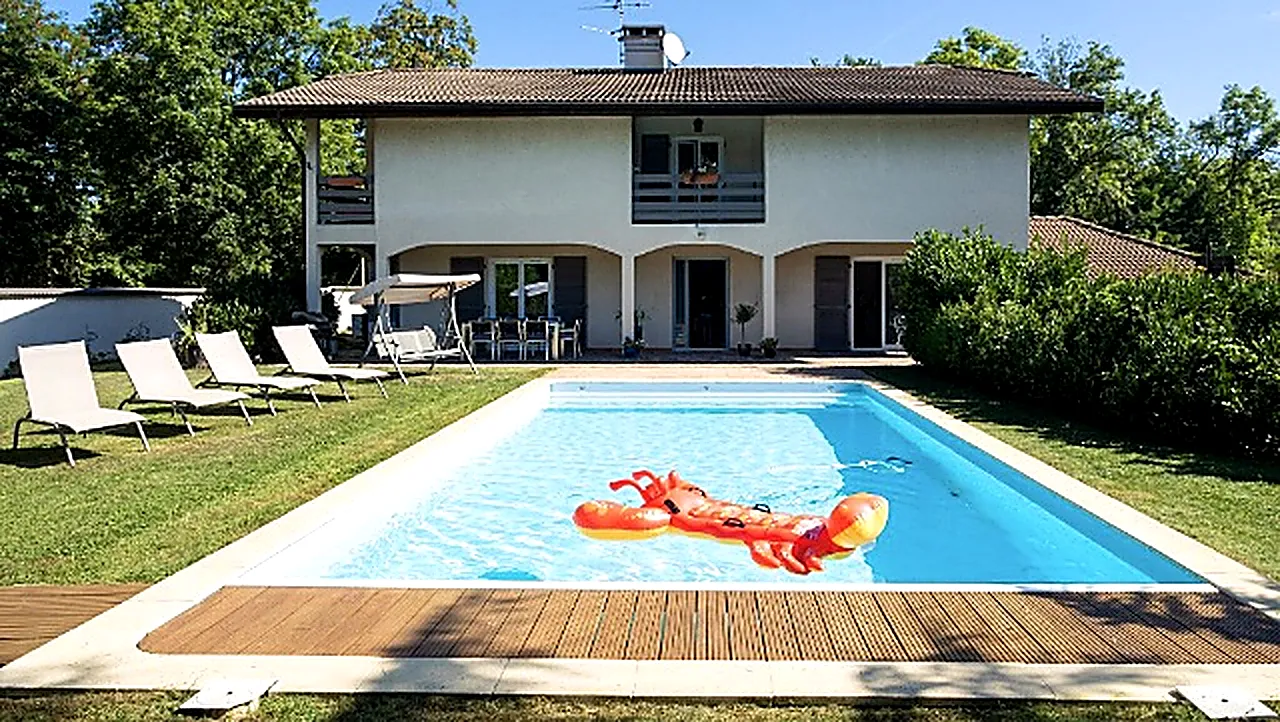
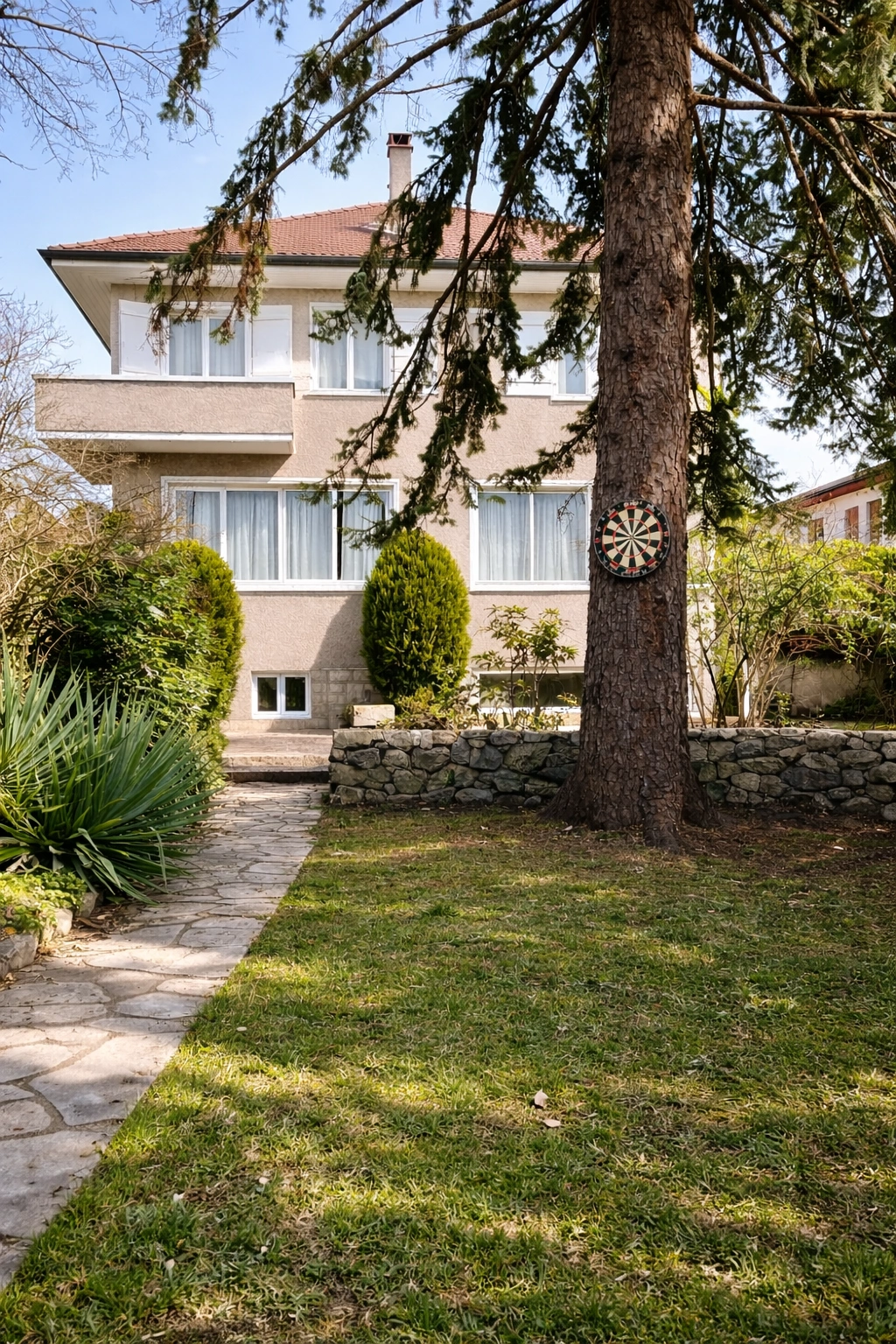
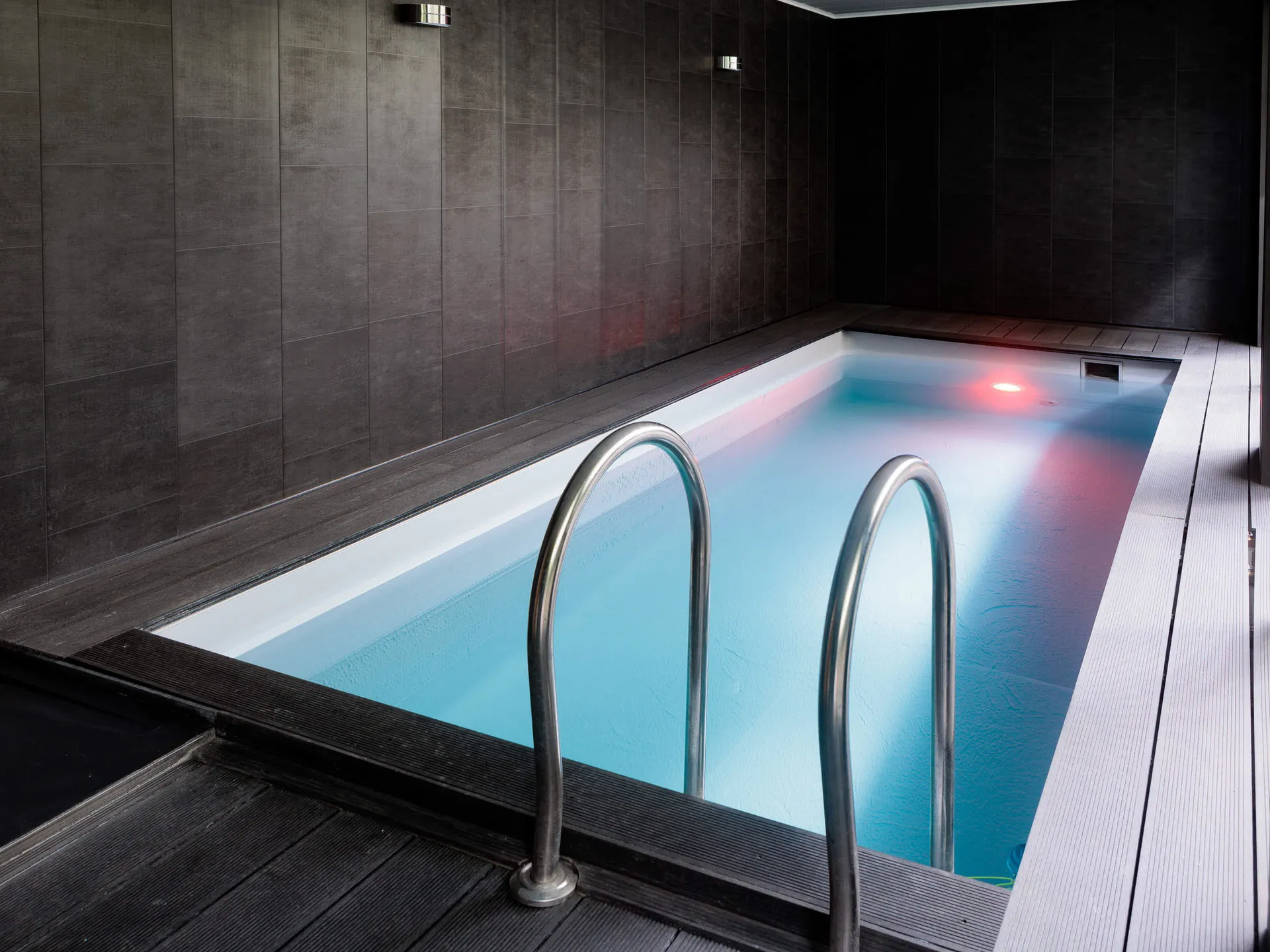
Coliving eliminates virtually all of these risks. At La Villa Coliving, the process is transparent: property visit, meeting with the team, standard legally compliant lease, bank transfer payment, no hidden fees. We're an established company since 2021, with dozens of verifiable Google reviews and a physical address you can visit.
For a new cross-border worker who doesn't yet know the local market, this is significant security: you know exactly what you're paying, what you're getting, and you have an identified contact for any questions.
Beyond Scams: The Classic Mistakes to Avoid
Scams aren't the only trap on the cross-border market. Here are the most common mistakes prospective tenants make — and how to stay ahead of them.
Underestimating search timeframes
- Demand is very high near Geneva: it generally takes two to four months to find housing that matches your criteria and budget — it's what our residents most often tell us about their search before joining us.
- The appeal of Swiss salaries drives fierce competition for available properties.
- Start well before your desired move-in date: you'll be able to compare offers and negotiate calmly, instead of making hasty decisions under time pressure.
Neglecting the financial side of deposits and guarantees
- In France, the security deposit legally cannot exceed one month's rent excluding charges for an unfurnished property. Some landlords try to demand more, or extra guarantees — stay alert.
- Make sure you understand the conditions for getting the deposit back.
- Do a detailed contradictory inventory (état des lieux) when moving in: photograph every room and note any defect. It's your best protection against abusive deductions when you leave.
Undervaluing location and transport
- Many cross-border workers focus only on rent price, without factoring in transport costs and constraints.
- Housing far from public transport routes or the main roads to Geneva can generate considerable fuel costs and exhausting commute times.
- Study bus schedules, connection frequency, and fallback options in case of strikes or incidents before signing.
Ignoring the difference between all-inclusive and separate charges
- Managing rental charges can quickly become an administrative and financial headache.
- An all-inclusive formula (a single monthly payment) gives you perfect budget predictability and avoids unpleasant surprises from end-of-year charge adjustments.
What To Do If You're a Victim?
If you think you've been the victim of a housing scam: file a complaint at the police station, keep all evidence (emails, texts, listings, transfer proofs), report the listing on the platform where you found it, contact your bank to attempt a fund recall (possible within 24-48h of a transfer), if the scam is online (fake listing, fraud), file a complaint via the THESEE service (masecurite.interieur.gouv.fr) and report the misleading commercial practice to the DGCCRF on SignalConso (signal.conso.gouv.fr).
Also read:
- Cross-border rental application: how not to get rejected
- 5 housing mistakes for Geneva cross-border workers
- Cross-border rent near Geneva: how much to pay
Looking for secure, transparent housing? Apply to La Villa Coliving — on-site visits, legal lease, zero nasty surprises.
👉 Looking for La Villa Coliving, French side? At La Villa Coliving (Ville-la-Grand, Ambilly and Annemasse), a fully furnished all-inclusive room costs from CHF 1,370/month — utilities, fiber and cleaning included, no application fee — 15-20 minutes from Geneva by Léman Express or tram.