Living in France, Working in Geneva: The Complete Guide

Every morning, nearly 116,200 cross-border workers head from France to their jobs in the canton of Geneva (OCSTAT figure, end of 2025). Are you thinking of joining them? This complete guide explains how to live in France while working in Switzerland, and how coliving is changing the game for cross-border workers.
Who are cross-border workers? A booming lifestyle
A cross-border worker is simply someone who lives in one country and works in another. In the Franco-Geneva region, this has become a full-scale economy. Geneva attracts talent from around the world, but Switzerland's high cost of living (rents 2-3 times higher than France) naturally pushes young professionals to seek housing on the French side.
The economic model is straightforward and powerful: a Swiss salary (among Europe's highest) combined with French cost of living creates an attractive financial equation. For someone earning 6,500 CHF gross in Geneva, this translates to comfortable net monthly income, plus often better quality of life than Switzerland (homes with gardens, shared spaces, less densely urban environments).
The migration flow is structural: Switzerland has signed free movement agreements with the EU, and France remains the primary talent pool for the Geneva basin. The number of cross-border workers has kept rising — from around 70,000 in the mid-2000s to 116,200 by the end of 2025 in the canton of Geneva alone (OCSTAT).
The financial advantage: Swiss salary + French cost of living
This is the central equation for cross-border workers. A gross salary of 6,500 CHF in Geneva (IT, finance, healthcare, services) translates to much higher purchasing power than an equivalent French salary. Swiss social contributions are slightly lower, and more importantly, Swiss salaries benefit from continuous indexing to productivity and inflation.
On the other hand, French cost of living is structurally 30-40% cheaper. A rent of CHF 1,370 for a private room in a premium shared house in Haute-Savoie easily replaces CHF 2,200+ for a small studio in Switzerland. Groceries, restaurants, fuel: everything is cheaper in France.
The net monthly financial advantage for a single cross-border worker? Expect €800 to €1,500 additional savings each month compared to working in Geneva with Swiss housing. Over a career, that's substantial wealth accumulation.
The tax system: withholding tax, CMU, LAMal
This is crucial and often misunderstood — and the answer depends on your canton of work. If you work in the canton of Geneva, you are taxed at source in Switzerland, under the Franco-Swiss agreement of 29 January 1973 (Geneva even pays financial compensation to the neighboring French departments). Here's what you need to know.
Swiss withholding tax on salary
For a cross-border worker employed in Geneva, income tax is withheld directly at source in Switzerland, on your salary. You then declare that same income to the French tax authorities, but the Franco-Swiss tax treaty (article 25A) grants a tax credit equal to the corresponding French tax: so you don't pay tax twice in France on your Geneva salary. Double taxation is thus avoided.
The withholding rate depends on your situation (tax scale, marital status, dependent children). Good news: you can often apply for quasi-resident status in Geneva to deduct certain expenses (3rd pillar, professional costs). The key point: for Geneva, the taxation of your salary is settled first on the Swiss side — see our full cross-border tax guide.
Swiss social contributions (LAMal, retirement, unemployment)
You contribute to the Swiss system even though you live in France. Swiss health insurance (LAMal) is not compulsory: as a cross-border worker you have a right of option, within 3 months, between LAMal and the French system (LAMal applies by default if you make no choice). LAMal costs about 250 to 450 CHF/month depending on age and the deductible you choose, and typically offers better coverage than French CMU. You also contribute to Swiss retirement (AVS), unemployment, and disability insurance. Total: ~12% in social contributions withheld at source.
French health coverage (CMU)
Once you're a cross-border worker, you lose French Social Security coverage if you're no longer contributing there. You must either enroll in French CMU (Universal Health Coverage) if not covered by an occupational scheme, OR remain covered only by Swiss LAMal. Most cross-border workers choose Swiss LAMal, which is more comprehensive and cheaper than CMU plus a French supplementary policy.
Transport: Léman Express, TPG, car. Which strategy?
Transport is key to your quality of life and budget. Geneva and its region are well-served, but your choice depends on your exact location.
Léman Express (train)
Launched December 2019, the Léman Express transformed cross-border accessibility. This network of several lines (with the CEVA Cornavin–Eaux-Vives–Annemasse line at its core) serves many French communes (Saint-Julien, Etrembières, Annemasse). The Annemasse–Geneva Cornavin journey takes about 20 minutes, and cross-border monthly fares are subsidized: expect ~€100/month for unlimited passes.
If you live near a Léman Express station (Annemasse, Etrembières), it's the best choice: reliable, fast, no driving stress, perfect for reading or working en route.
TPG buses (Geneva Public Transport)
TPG provides dense coverage from Geneva toward France. Main lines to Annemasse, Ville-la-Grand, Ambilly, etc., are frequent (every 15-30 minutes at peak hours). A monthly cross-border pass costs ~€80 for complete coverage.
Advantage: more flexible than trains if you live far from a station. Disadvantage: slower, especially during rush hour (Geneva traffic).
Personal car
Many cross-border workers choose cars, especially if they live in Saint-Julien, Gaillard, or further from Annemasse. Costs: fuel (€100/month), insurance (€80/month), Geneva peak-hour toll (~€30/month), vehicle wear. Total: €210+/month, not counting Geneva parking.
Advantage: freedom, flexibility, no schedules. Disadvantage: traffic stress, hidden costs, cognitive load.
Recommended strategy
Live near Léman Express (Annemasse, Etrembières, Ambilly) and use the train as your primary mode. Keep vehicle access for non-office days or weekends. It's the best comfort/cost ratio.
Where to live? Best neighborhoods for cross-border workers
The cross-border zone offers several options, each with advantages and disadvantages.
Annemasse (9 km from Geneva)
The capital of French cross-border workers. Léman Express station, commercial activity, local life. Average rents: €700 for a 2-room, €900+ for 3-room. Cross-border worker density: very high. Vibe: urban and functional.
Ambilly (8 km from Geneva)
Bedroom village between Annemasse and Geneva. Quiet, close to Léman Express, traditional SNCF station. Houses with gardens. Mixed population. Rents similar to Annemasse. Vibe: tranquil, residential.
Ville-la-Grand (7 km from Geneva)
Between Ambilly and Annemasse. Considered more architecturally pleasant. Easy Geneva access. Reputed schools, services. Rents: slightly higher (+5-10%). Vibe: semi-urban, more diverse.
Saint-Julien (12 km from Geneva)
A bit farther, but highly appreciated for quality of life. Mountains visible, rural environment. Léman Express access, TPG buses. Rents: -10% vs. Annemasse. Vibe: mountain villages, nature. Perfect if you love hiking and green spaces.
Gaillard (6 km from Geneva)
Very close but few optimized public transport options. Car needed for most people. Rents: -15% vs. Annemasse due to poor accessibility. Vibe: car-dependent dormitory.
Recommendation: live in Annemasse, Ambilly, or Ville-la-Grand if possible. Avoid Gaillard unless you have a car and enjoy commuting.
The cross-border housing challenge
Demand crushes supply. Geneva attracts talent, Annemasse becomes trendy, French landlords discover the cross-border market. Consequences: rising rents (+8% yearly), scarcity, disappearing short-term rentals, demanding conditions (3-month deposits, bank guarantees).
French real estate agencies demand French documents (proof of residence, pay stubs, tax returns, bank guarantees). For a French person working in Switzerland, it's complicated. Some landlords demand 9-12 month minimum contracts, which is penalizing if you're testing the move.
Airbnb and short-term rentals have exploded since 2020. Landlords prefer flexibility and seasonal rates over stable 12-month tenants.
Result: a young professional relocating to Geneva faces a hostile market with limited flexible options and little guidance.
How coliving solves these problems
Coliving arrives at the right moment. Instead of negotiating with demanding landlords, you contract with a housing company dedicated to mobile professionals. Here's what changes.
12-month lease
The 12-month lease provides stability and security for both resident and landlord, and you remain free to leave at any time with one month's notice: time to build genuine community integration without being locked in.
All-inclusive (rent, utilities, WiFi, cleaning)
You pay one price: that's it. No electricity shocks in winter, no internet negotiations. For traditional rentals, add: rent (€1,200) + electricity (€100) + internet (€30) + water (€40) + insurance (€10) = €1,380. In coliving, it's one line.
Professional furnished
Easy arrival. No need to furnish, assemble IKEA, or worry about leaving furniture. You arrive, settle in.
No heavy administration
No outrageous bank guarantees, no French guarantor if you're foreign, no 10 income proofs. Coliving knows cross-border workers move: procedures are streamlined.
Community
You live with other cross-border workers, expats, young professionals. No isolation. People in your situation.
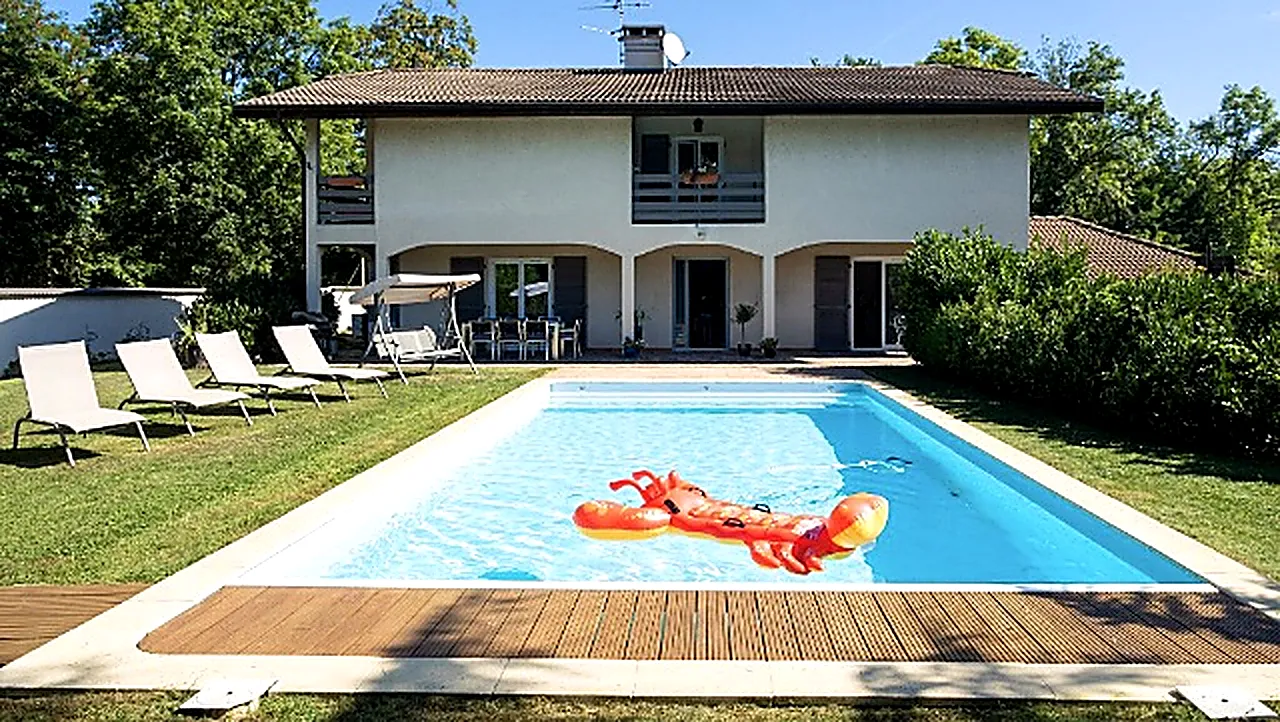
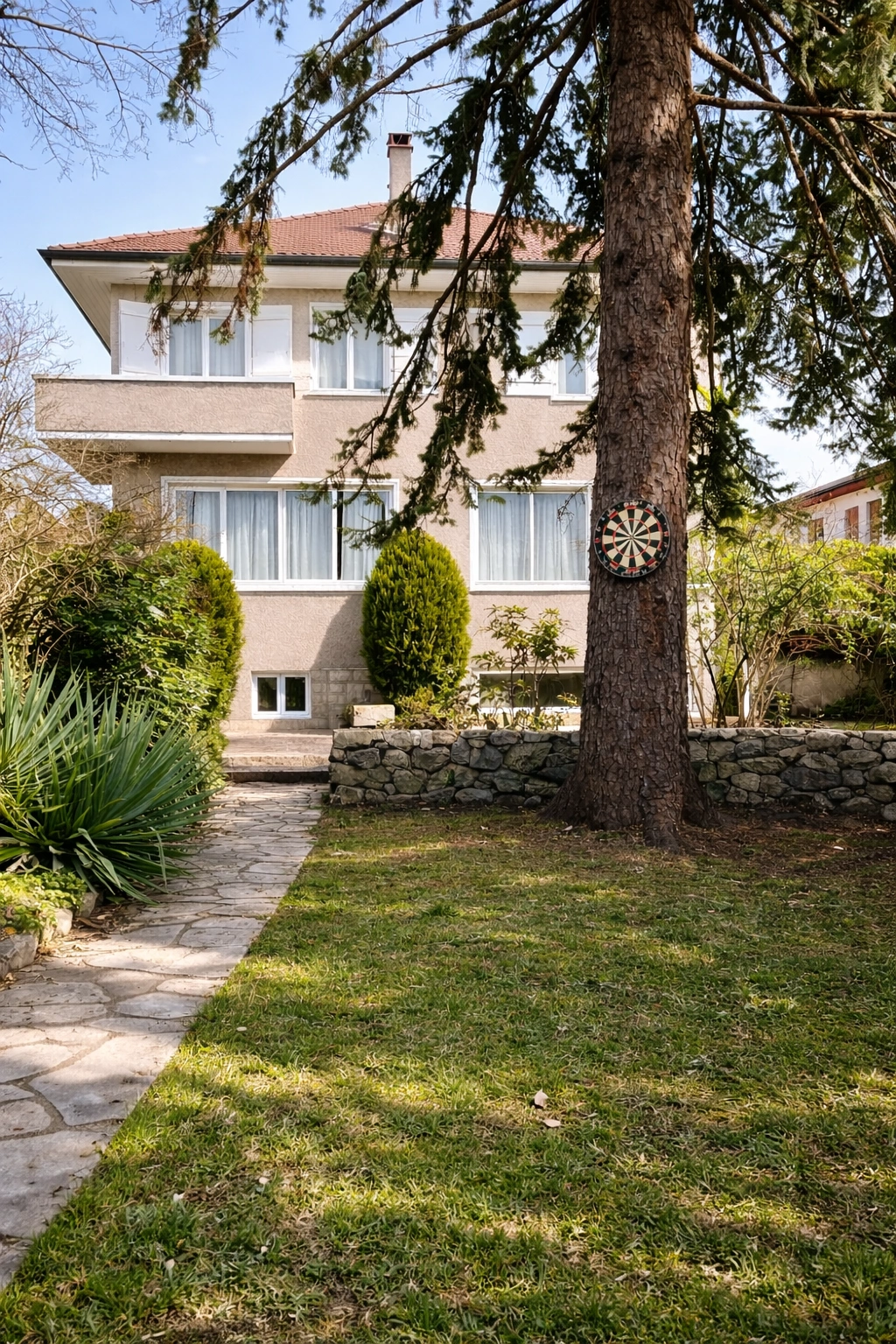
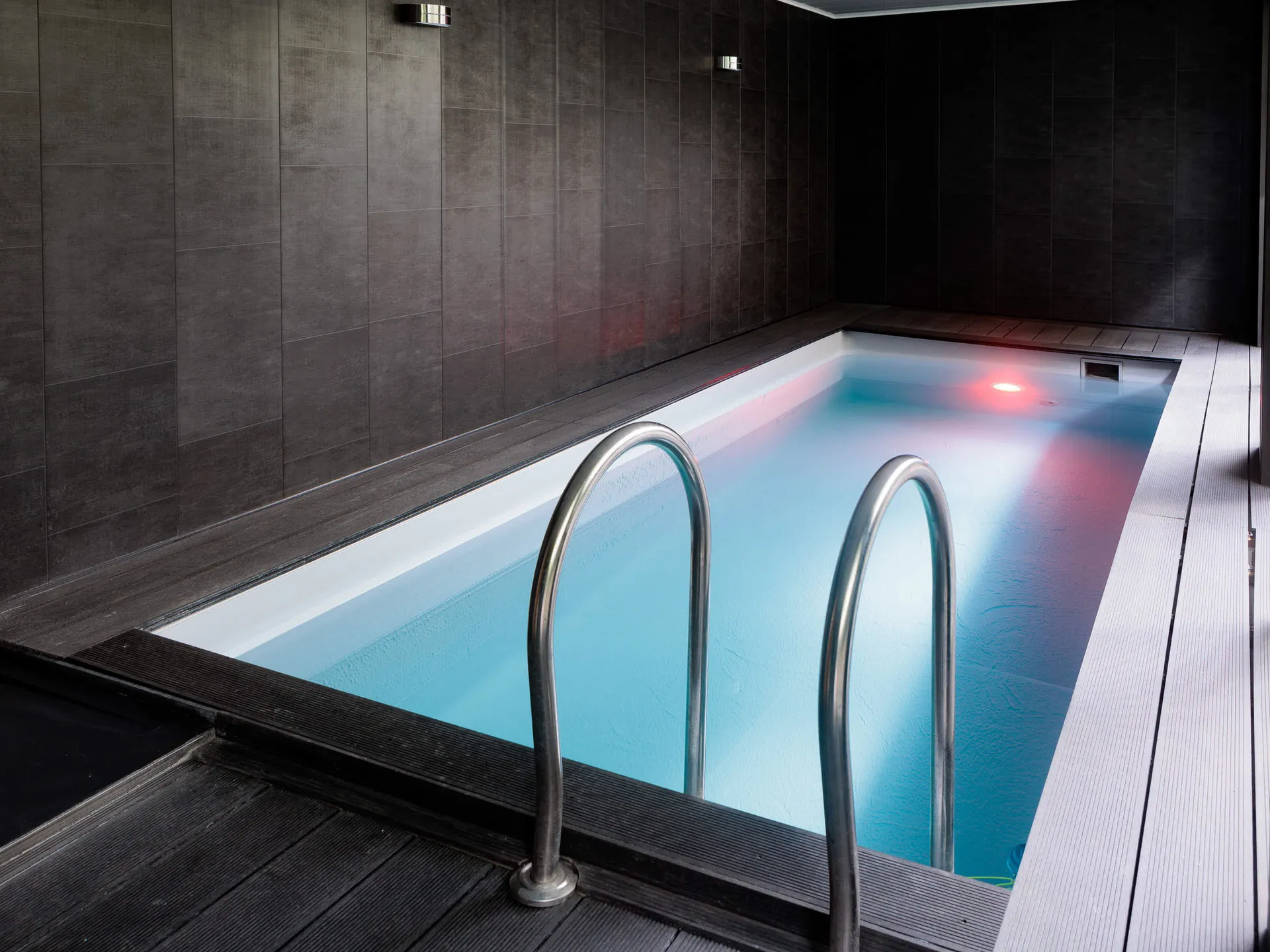
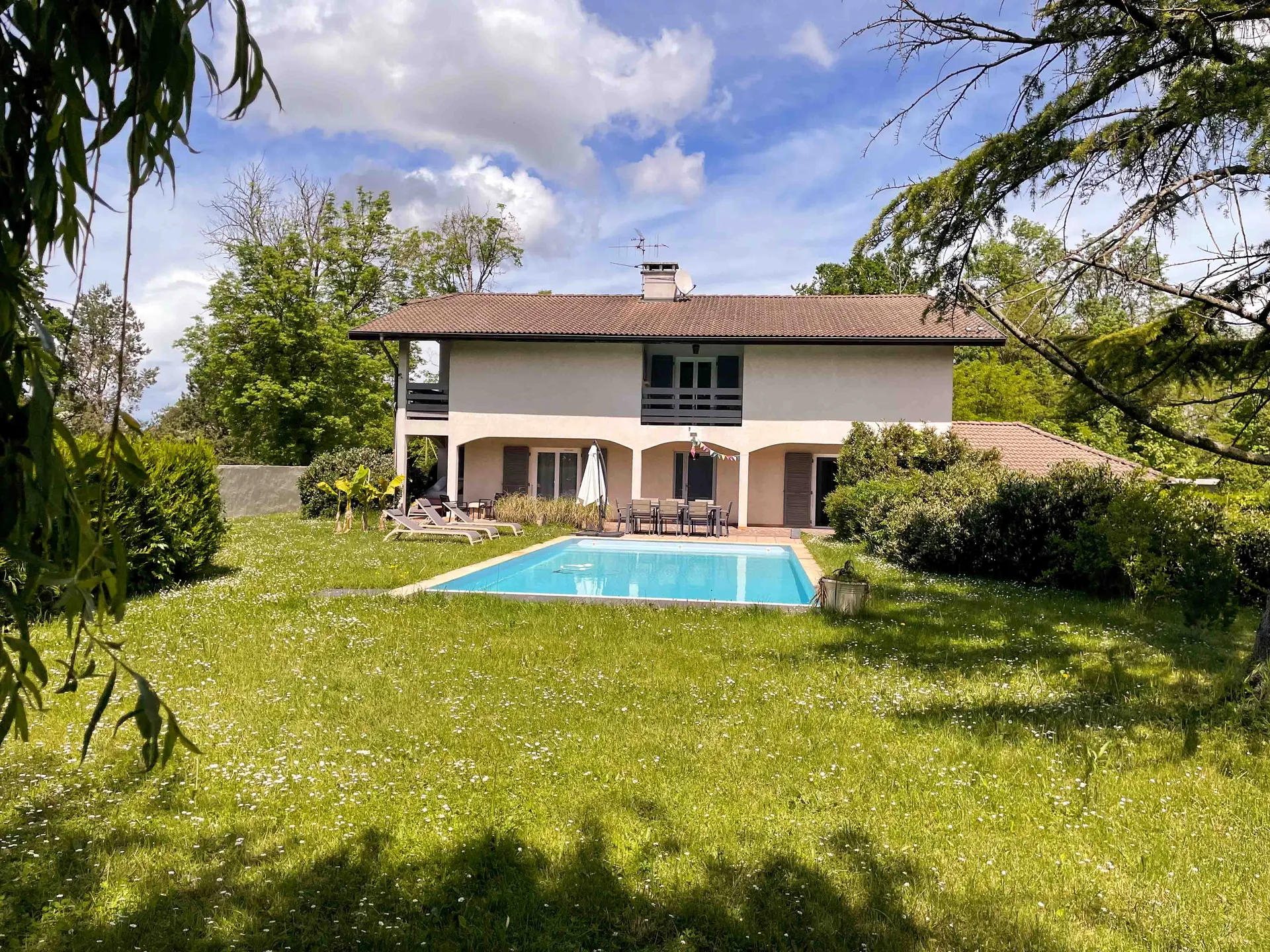
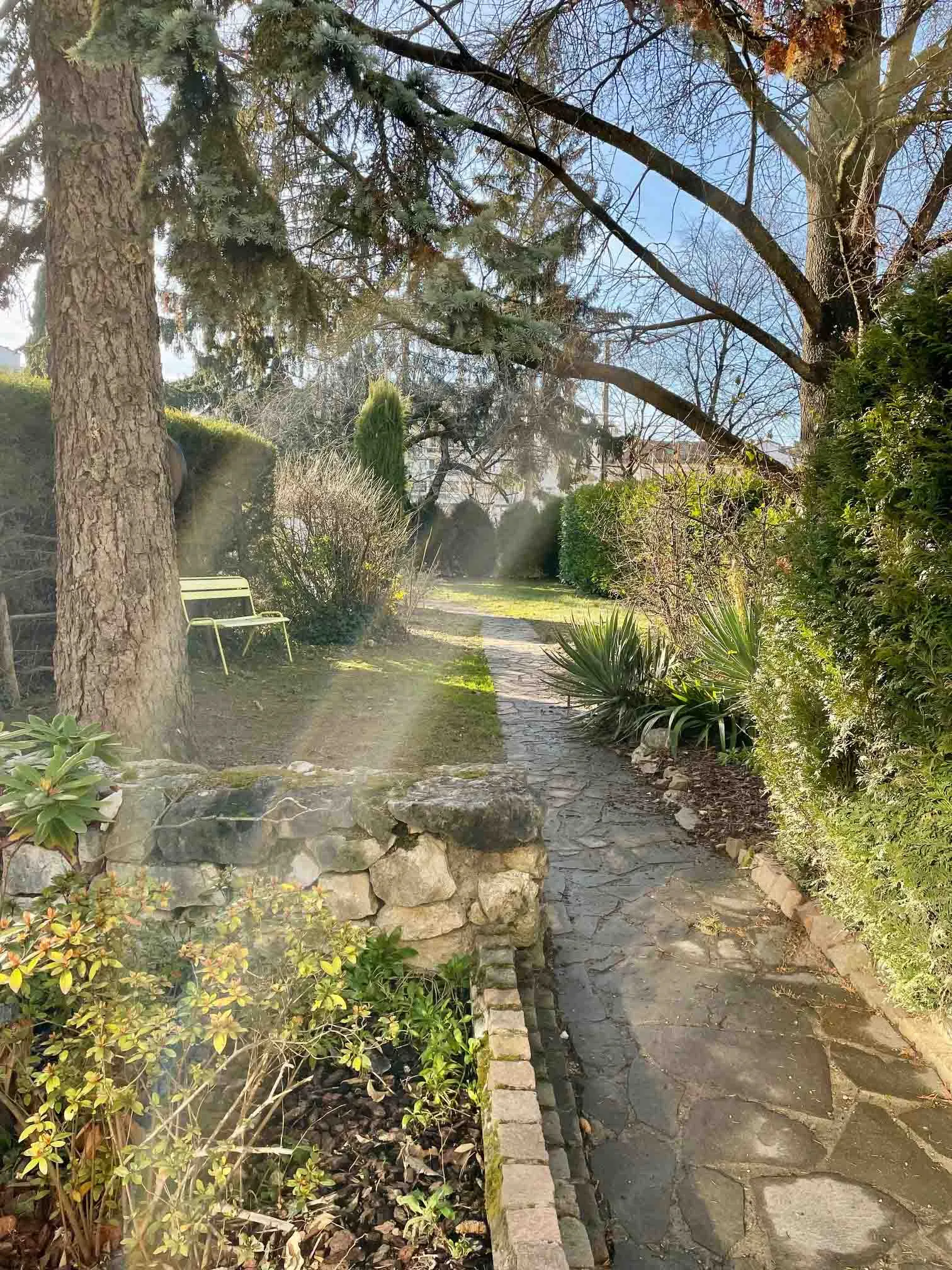
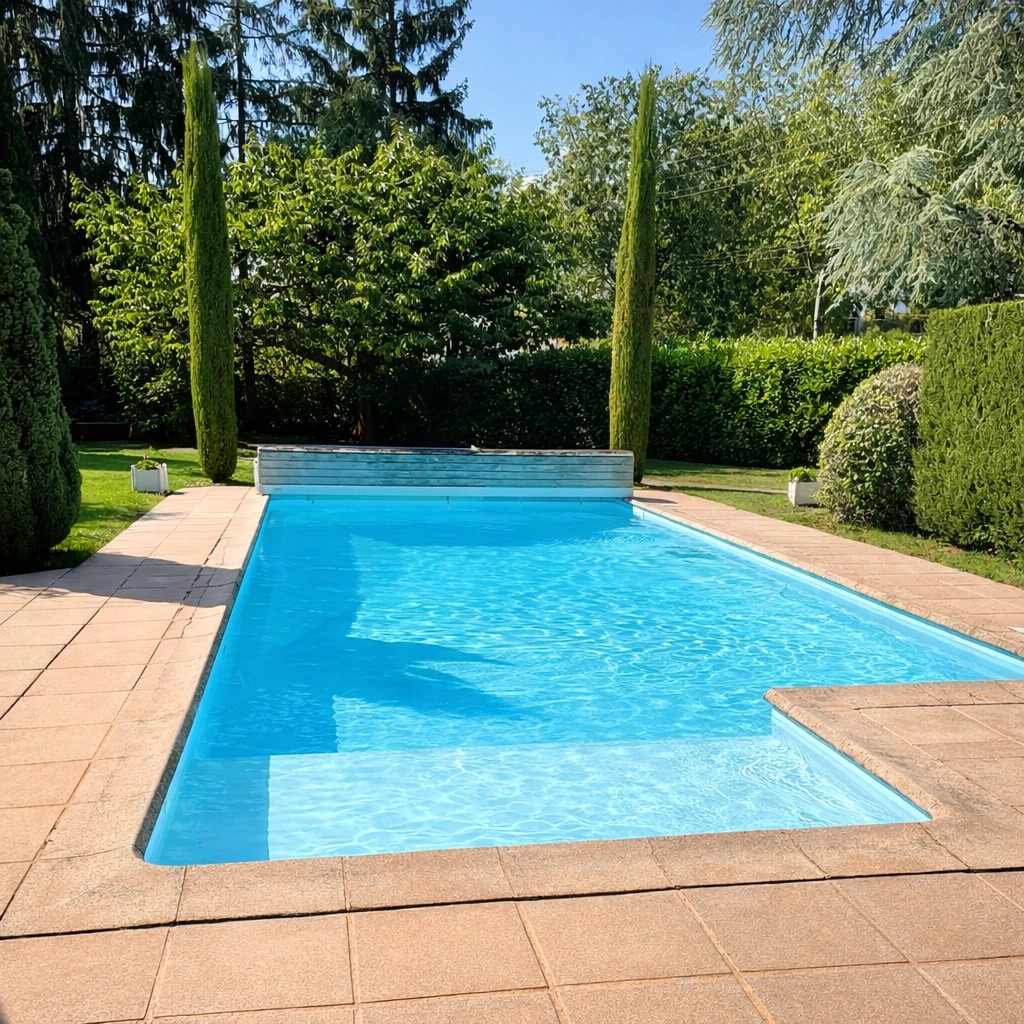
At La Villa Coliving, we offer three premium locations: Le Loft in Ambilly (7 rooms, CHF 1,430/month), Le Lodge in Annemasse (12 rooms, CHF 1,430/month), and La Villa in Ville-la-Grand (10 rooms, from CHF 1,370/month). Each room is private and furnished; all shared spaces (living room, kitchen, pool, garden) are communal. It's the best comfort/cost ratio for a single cross-border worker or couple.
Practical tips for your arrival
Moving as a cross-border worker? Here's our advice for the 50+ people arriving annually.
Before departure
Open a French bank account if you don't have one. Subscribe to Swiss LAMal well before arrival (4-6 weeks ahead). Inform your Swiss employer of your future address for paperwork.
First week
Visit your local town hall, request registration (Ambilly, Ville-la-Grand). It's quick and necessary for taxes. Activate health coverage. Buy a Léman Express or TPG transport pass.
First year
Hire a Franco-Swiss accountant to optimize tax filings (€50+/month, worth it). Join Facebook groups for cross-border workers (very active, excellent advice). Explore the Geneva plateau on weekends to understand areas beyond your commute.
Mindset
Be patient with French bureaucracy. It's not slower than elsewhere, just different. Connect with other cross-border workers: it's a welcoming community.
Conclusion: cross-border worker, conscious choice
Being a cross-border worker isn't fleeing France. It's a smart choice: leverage an exceptional job market (Geneva), enjoy French quality of life, and achieve favorable personal economics. It requires initial organization, but it's entirely manageable.
Coliving, particularly, democratizes access for young talent who don't want to navigate traditional rental rules. It's a natural market evolution.
If you're considering the leap, start with a week-long visit to Annemasse, Ambilly, or Ville-la-Grand. Explore, test the Léman Express. Then contact us to discuss your move. Many cross-border workers have made the leap and haven't looked back. You could be next.
👉 Looking for shared housing near Geneva? At La Villa Coliving (Ville-la-Grand, Ambilly and Annemasse), a fully furnished all-inclusive room costs from CHF 1,370/month — utilities, fiber and cleaning included, no application fee — 15-20 minutes from Geneva by Léman Express or tram.