Moving near Geneva as a Cross-Border Worker: Checklist
Moving Near Geneva as a Cross-Border Worker: The Complete Checklist
Setting up near Geneva as a cross-border worker takes preparation. It's not just finding a room and signing a lease. There's admin stuff, contracts, organization. Here's the complete checklist so you don't forget anything.
Phase 1: Before You Leave (2-3 Weeks Before)
Document your situation: You'll be asked for an employment contract, pay stubs (last 3), proof of income. Gather that now. Also: valid ID, proof of current address.
Guarantor: If you don't have a known French permanent job, you'll need a guarantor (parent, friend, someone with permanent employment and an apartment). Prepare their documents too.
Transport subscription: You'll pay about 115 CHF/month (€116.50) for the Léman Express pass. That's normal. Check cross-border passes: there's savings depending on your schedule.
Bank: Opening a La Banque Postale or ING France account is easy. In Switzerland, it's more annoying but doable. A debit card is useful (Revolut/Wise for fee-free).
Housing insurance: Before signing the lease, make sure your insurance covers furnished housing in France. Contracts vary.
Phase 2: Find and Sign (2-4 Weeks)
Visit: NEVER sign without visiting. Period. Scammers profit from people signing on photos.
Read the lease: A French furnished lease is about 20-30 pages. Seems weird (at least 3 bizarre clauses), but it's normal. Read it anyway.
Deposit: Prepare the amount. Usually 2x monthly rent excluding utilities. Often blocked on an account, returned at lease end.
Move-in inventory: Ask for it in advance. You want to know what's already broken before signing.
Phase 3: Admin Before Arrival (1 Week Before)
Electricity/Gas: If you're alone, you must open it. Easy: call or online (EDF, Total Energies, etc.). Allow 15 days for activation.
Internet: Orange, Free, SFR... Best: 25-30 EUR/month with 500+ Mbps. Order 2 weeks before, same activation timeline.
Water: Usually no individual contract in colocation. If yes, same logic.
Tell your employer: You're moving, staying cross-border. Just inform HR about address change for pay/payslip.
Mail address: Do an address change with La Poste (in France). When you arrive in colocation, you're "temporarily" for the post office.
Phase 4: Arrival and Setup (First Days)
Check-in and inventory: Prepare a list of photos/videos. Official inventory is good, but photos are your legal proof.
Activate all services: Electricity (check circuit breaker), internet (router, IDs), water (test taps), heating (understand system).
Bank/Post: Change address on card and account. Mail: can take 10 days to redirect.
Local exploration: Find pharmacy, doctor, supermarket. Not glamorous but useful.
Phase 5: First Months
Taxes: If you changed regions in France, declare it to tax authority. But you stay cross-border, so taxes in France.
Missed rent insurance: Honestly optional, but if you're new cross-border, it reassures the landlord.
Rent payment system: Automatic monthly transfer is simplest. Ask landlord for bank info (IBAN).
Cleaning: Understand the system. Who pays? When? Provided cleaning or rotation between roommates?
Things Not to Forget
- Your permanent contract in PDF
- Last 3 pay stubs
- Valid ID original (visit day)
- Guarantor address + documents
- A sweater (colocation heating sometimes random)
- Your social security number (useful for doctor/pharmacy).
Your First 30 Days, Day by Day (If You Arrive Alone)
The checklist above covers the "what." Here's the "when" once you've landed, week by week, so you don't do everything at once: vital basics first, then daily life, then your network.
Week 1 (Day 1-7) — the vital basics
- Day 1-2: make your home functional and get connected to internet (in coliving, it's already done).
- Day 3-4: French steps — visit the town hall for an official proof of address, then update your address with CPAM and your pension fund.
- Day 5-7: Swiss steps — file your G permit application with the Office cantonal de la population et des migrations (OCPM) — as an EU/EFTA national you file it yourself, and you can start working as soon as it is filed (récépissé). This is also the time to look into your health insurance: you have 3 months to exercise your right of option between Swiss LAMal and French CMU, and this choice is virtually irreversible — don't let it drag.
Week 2 (Day 8-14) — optimising daily life Find your rhythm: transport, shopping, and registering with a GP on the French side (wait times for a first appointment can be 2-3 weeks, so start early).
Week 3 (Day 15-21) — building social connections The most underestimated part, and the most important when you arrive alone. See the next section.
Week 4 (Day 22-30) — consolidate and plan ahead After a month, you'll have a realistic idea of your expenses and the essentials are ticked off. What often remains pending and can wait for the following months: your tax declaration, optimising your 2nd pillar (Swiss occupational pension), and possibly buying a vehicle if your commute requires it.
Arriving Alone: Building a Circle (and the Cultural Barrier)
People prepare the housing and the paperwork, rarely the social network. Yet that's often what makes the difference between "coping" and "thriving." Arriving alone can weigh on you, especially when your Swiss colleagues go home in the evening and you don't know anyone on the French side.
Concrete strategies:
- Cross-border Facebook groups are very active ("Frontaliers Genevois", "Expats in Geneva", "Français à Genève"): practical advice and event invitations.
- Sport is an excellent social vector: gyms, running clubs, and local sports associations help you meet people quickly.
- Grand Genève events (concerts, festivals, markets): check the Grand Genève agenda (grand-geneve.org).
- Coliving has a unique advantage here: housemates from the very first evening, plus common areas and events (barbecues, game nights, Friday drinks) that create connections naturally.
The cultural barrier. The "Swiss coldness" is a cliché… that contains some truth. Genevans are polite, but it takes longer to build deep friendships than in France. Don't take it personally — it's cultural. Expats and other cross-border workers are often more open to new encounters: they're living exactly the same situation as you.
Realistic Timelines
From "I want to move" to "I'm installed": 6-8 weeks if serious. Faster if lucky.
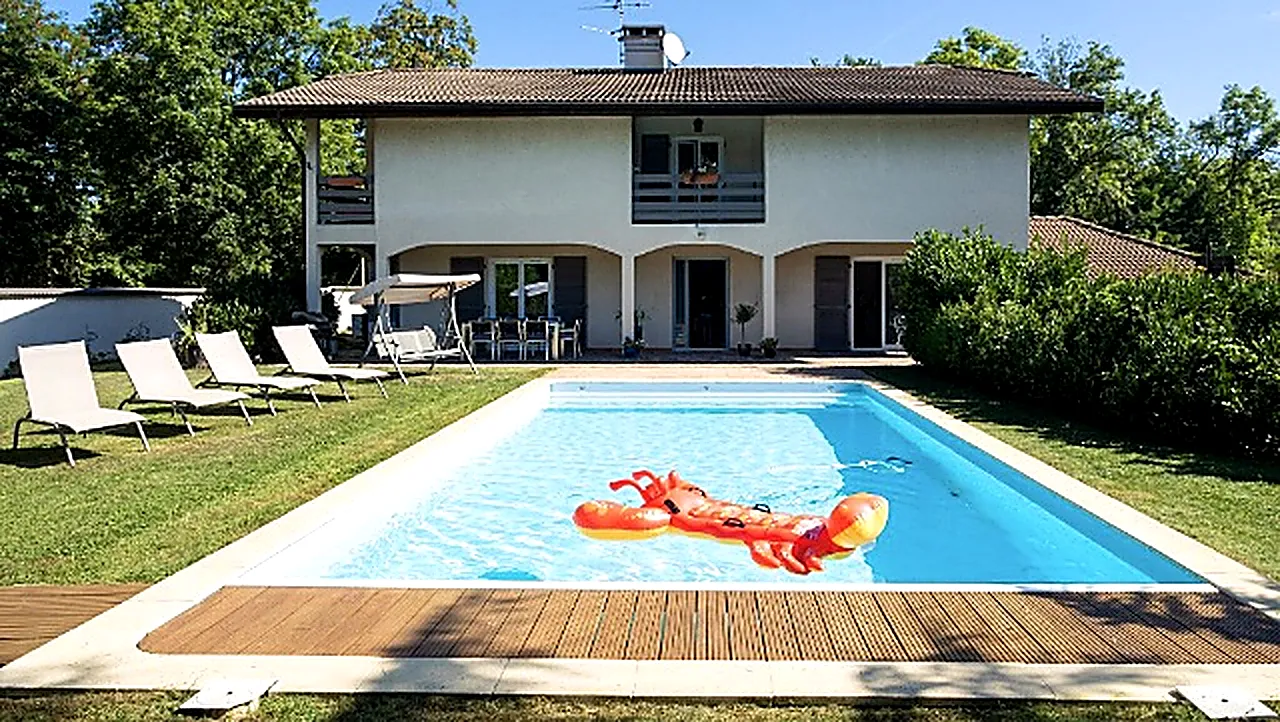
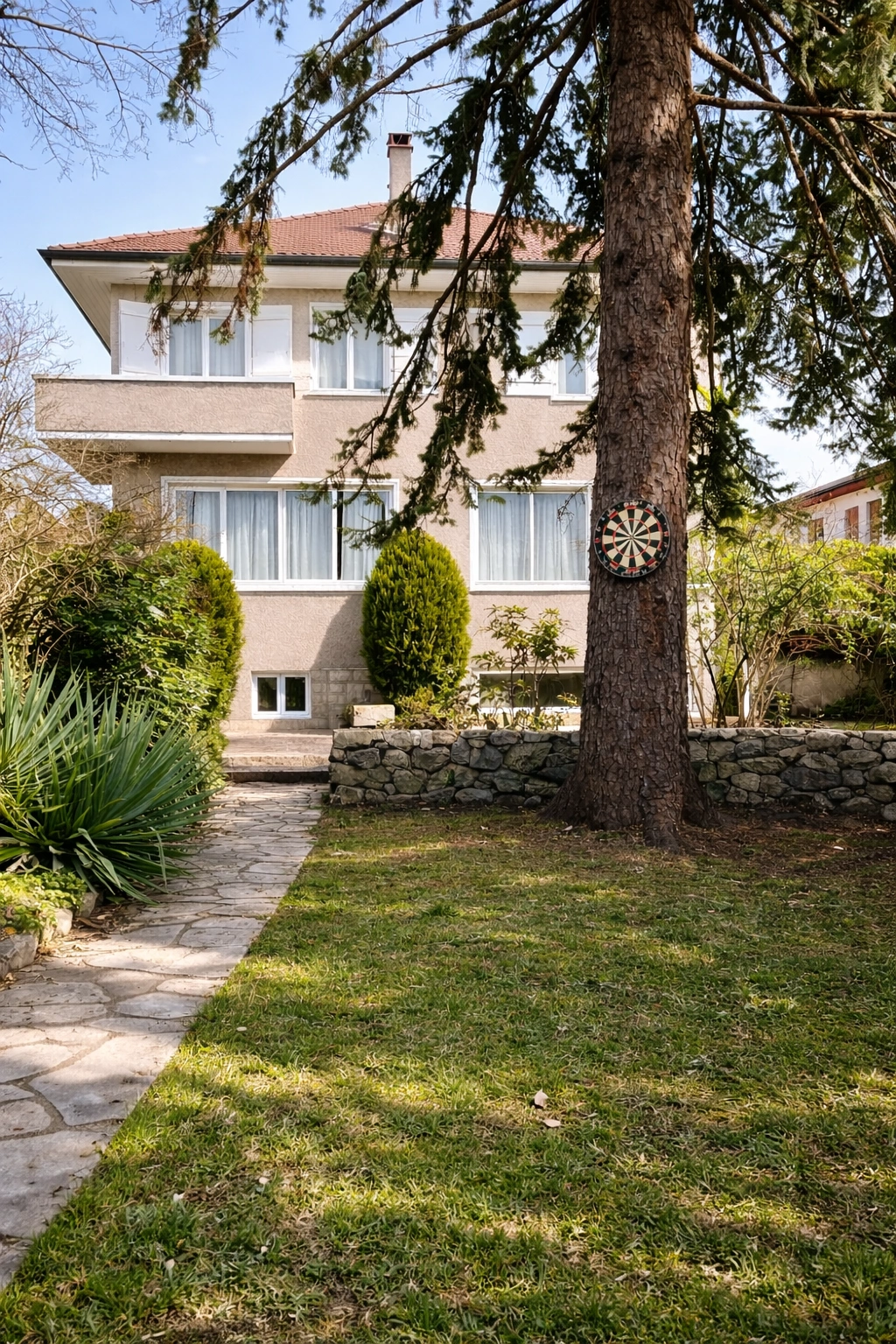
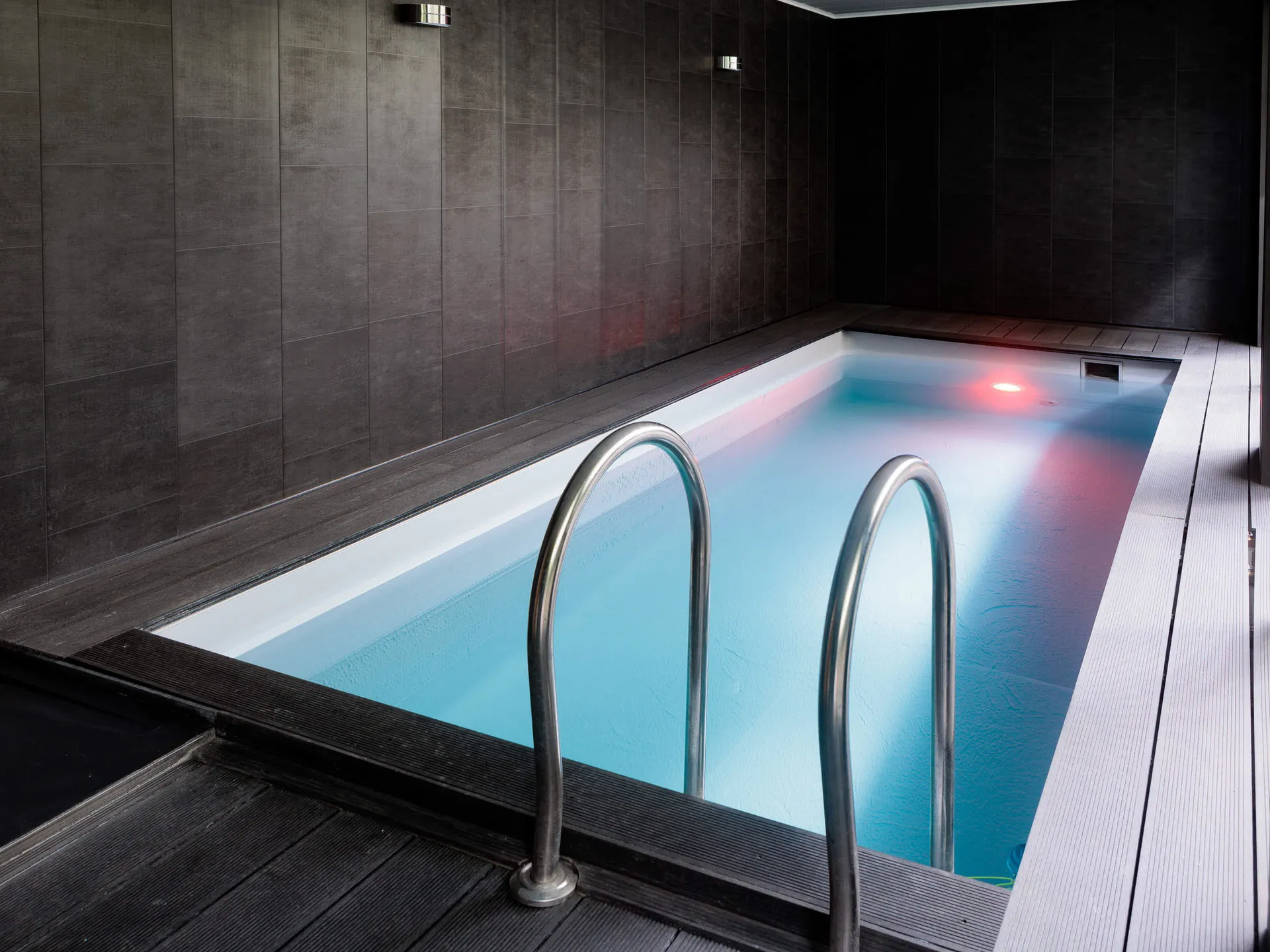
👉 Looking for see our rooms on the French side? At La Villa Coliving (Ville-la-Grand, Ambilly and Annemasse), a fully furnished all-inclusive room costs from CHF 1,370/month — utilities, fiber and cleaning included, no application fee — 15-20 minutes from Geneva by Léman Express or tram.